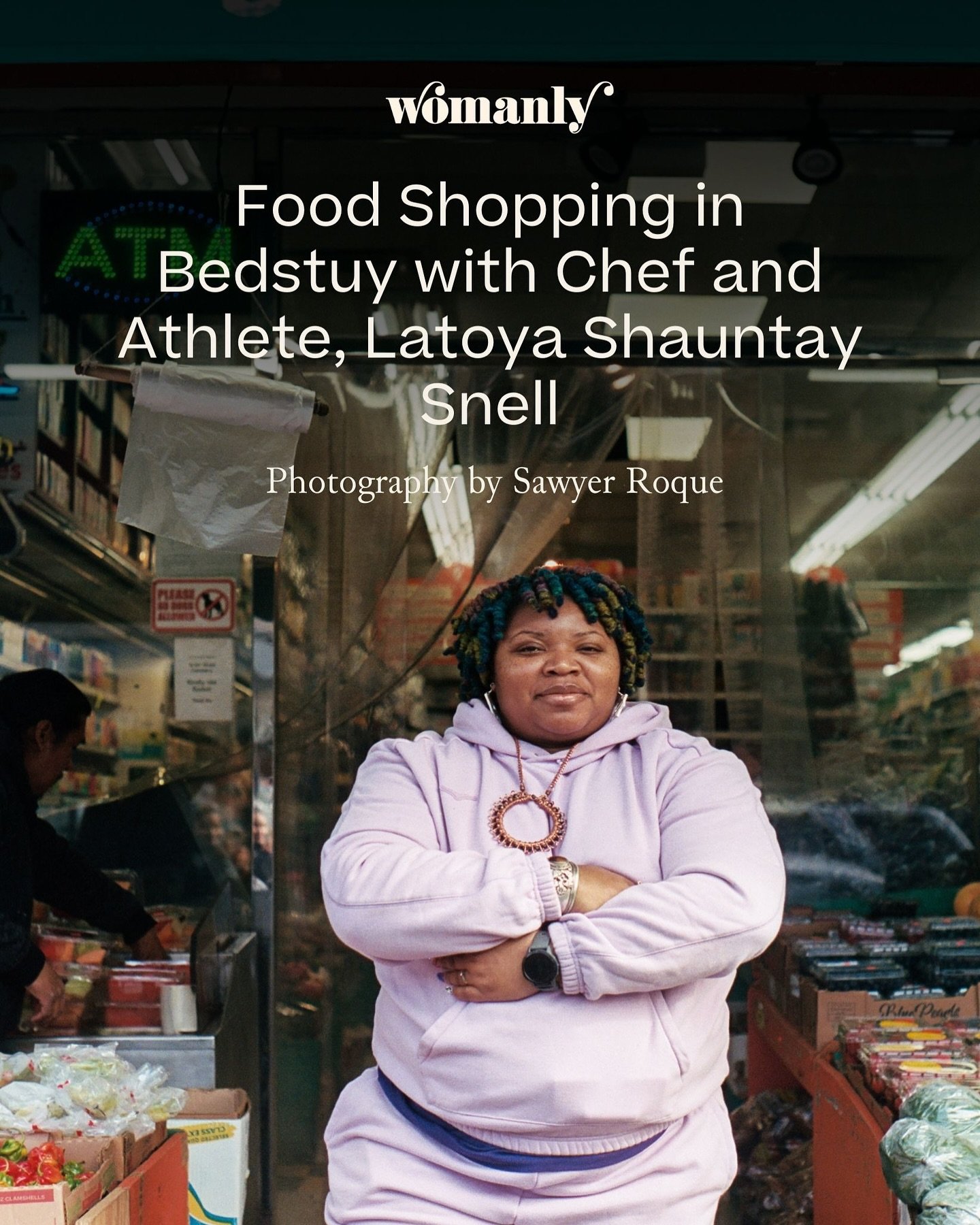
ABOUT THE ISSUE
Issue No. 6: Food, Nutrition, and Access in Our Communities offers a thoughtful look at how we nourish ourselves and each other, blending practical guidance with lived experience.
Explore interviews with food activists, articles on food systems—from families to schools and prisons—and narratives on food sovereignty and reclaiming cultural identity. You’ll also find recipes, intuitive eating guides, and creative work that captures the emotional and cultural sides of food.
Alongside this, discover accessible resources on nutrition labels, food assistance programs, and key health topics like diabetes, sugar, and food allergies—designed to support informed, everyday choices and expand access to nourishing food.
Karen Washington is the farmer activist who coined the term “food apartheid.” amy woehling speaks with the farmer and activist about food justice and advocating for access in Black and Brown communities.
Meech Boakye explores practices of gardening, foraging, and preparing food both as a form of communal care and as a medium to question the ordinary.
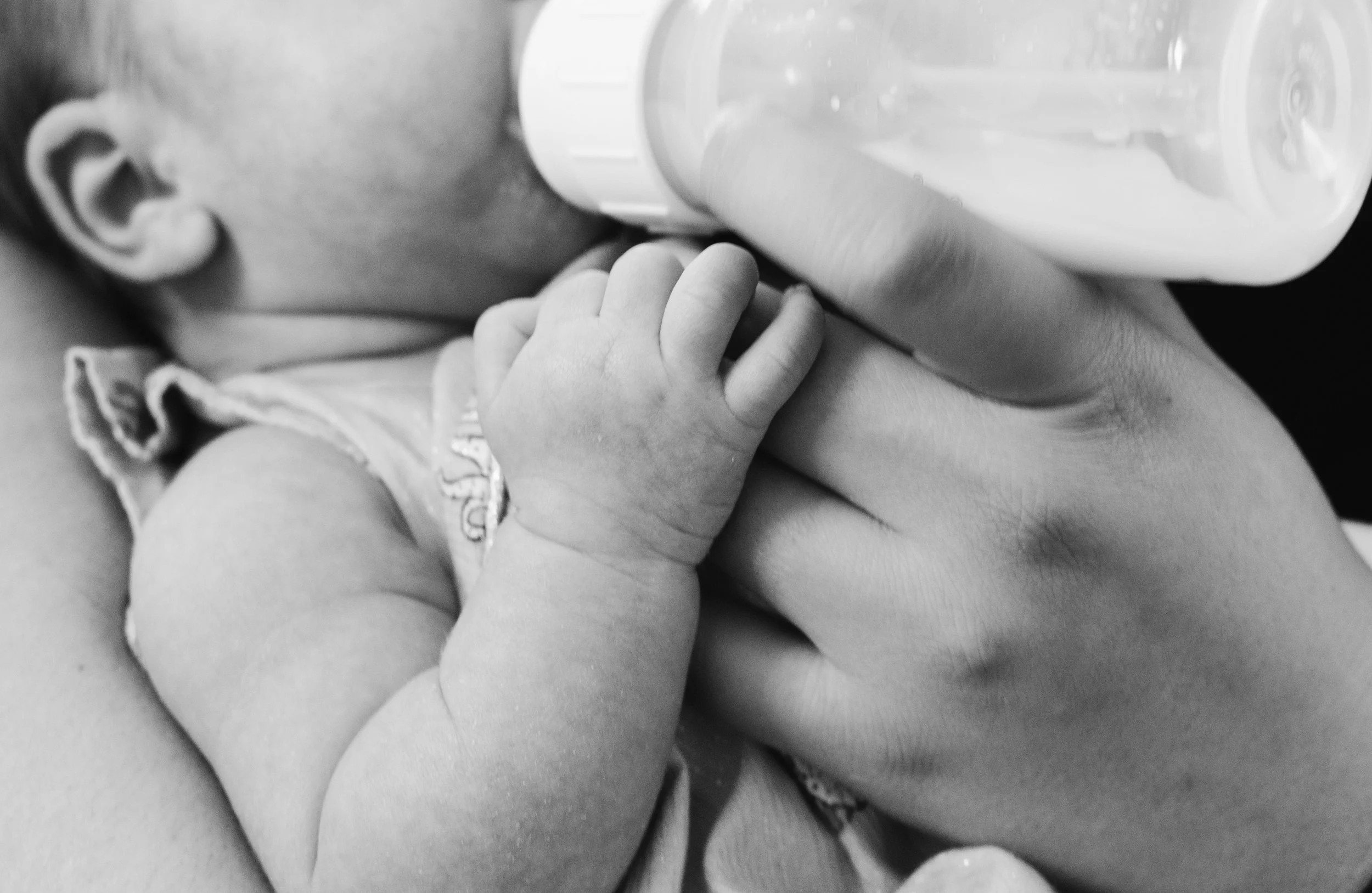
A powerful photo essay featuring Black mothers’ voices on breastfeeding, exploring barriers, cultural realities, and the need for more inclusive, supportive maternal care.
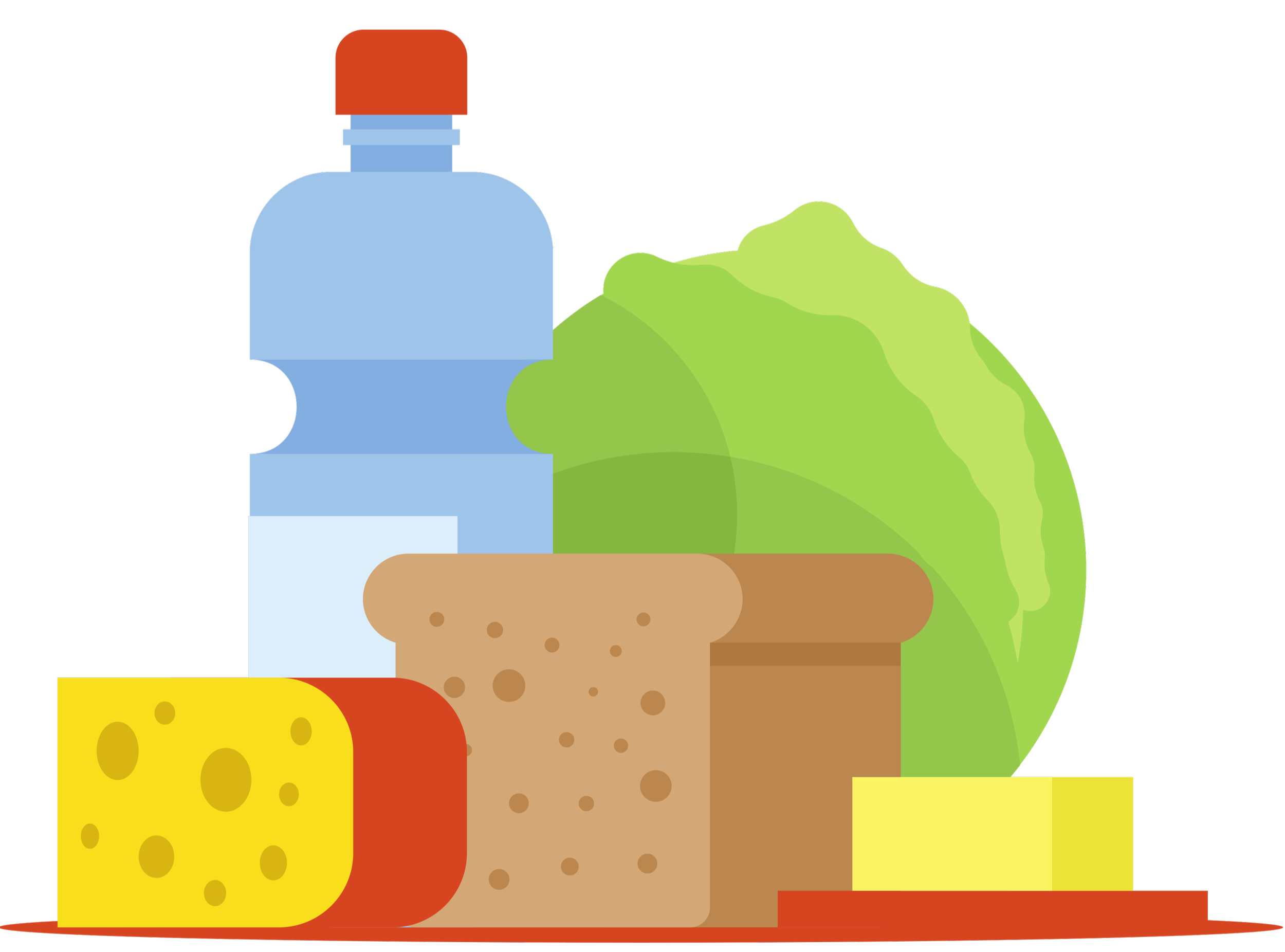
Learn how to build balanced meals using a simple plate diagram. A practical guide to portioning food groups for better nutrition and everyday wellness.
Womanly Magazine is a health and arts publication providing accessible health information to women and non-binary people.
An essay on gardening as a Black woman and the history of Black people in the United States as it relates to cultivating land and gardening.
Bowel movements can tell you a lot about your nutrition and digestive health. Things like texture, color, frequency, and smell can help indicate if you have any dietary needs or digestive issues.
A reflective essay on family, place, and seasonal rituals, centered on harvesting persimmons in rural Indiana and the quiet joy of food traditions.
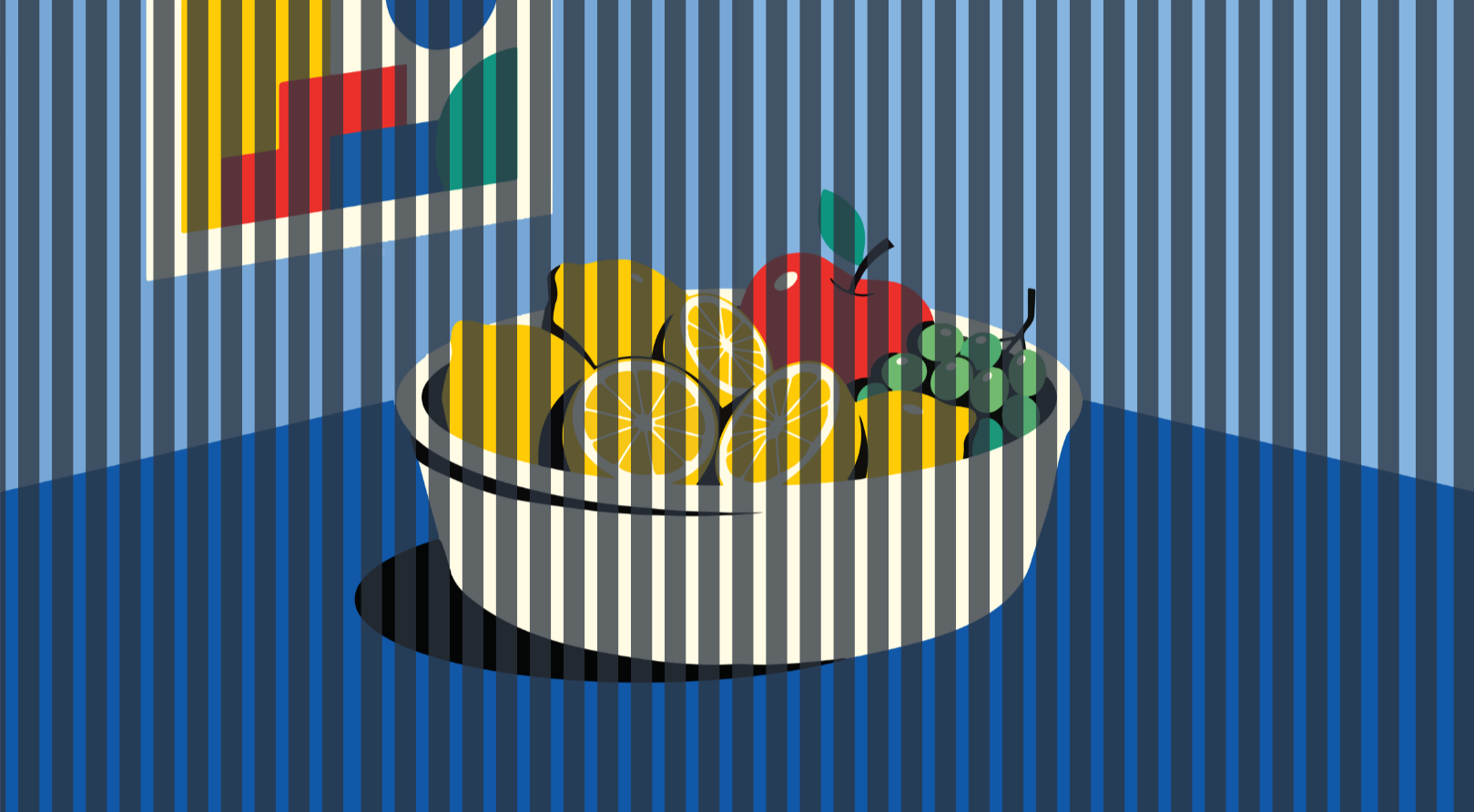
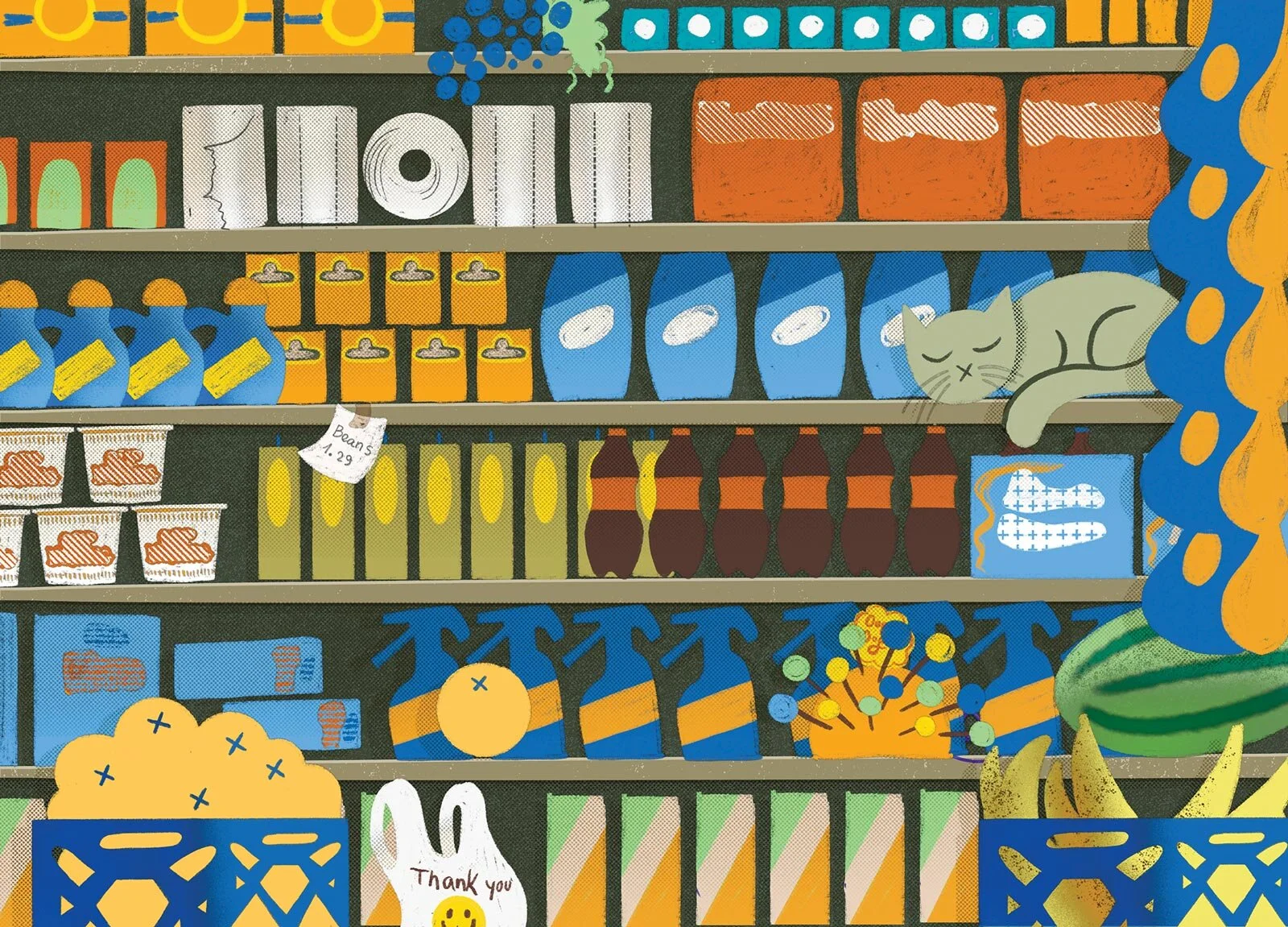
A food painting by Nan Cao for Issue No. 6. Nan Cao is an award-winning illustrator working across children’s books, editorial illustrations, and posters.
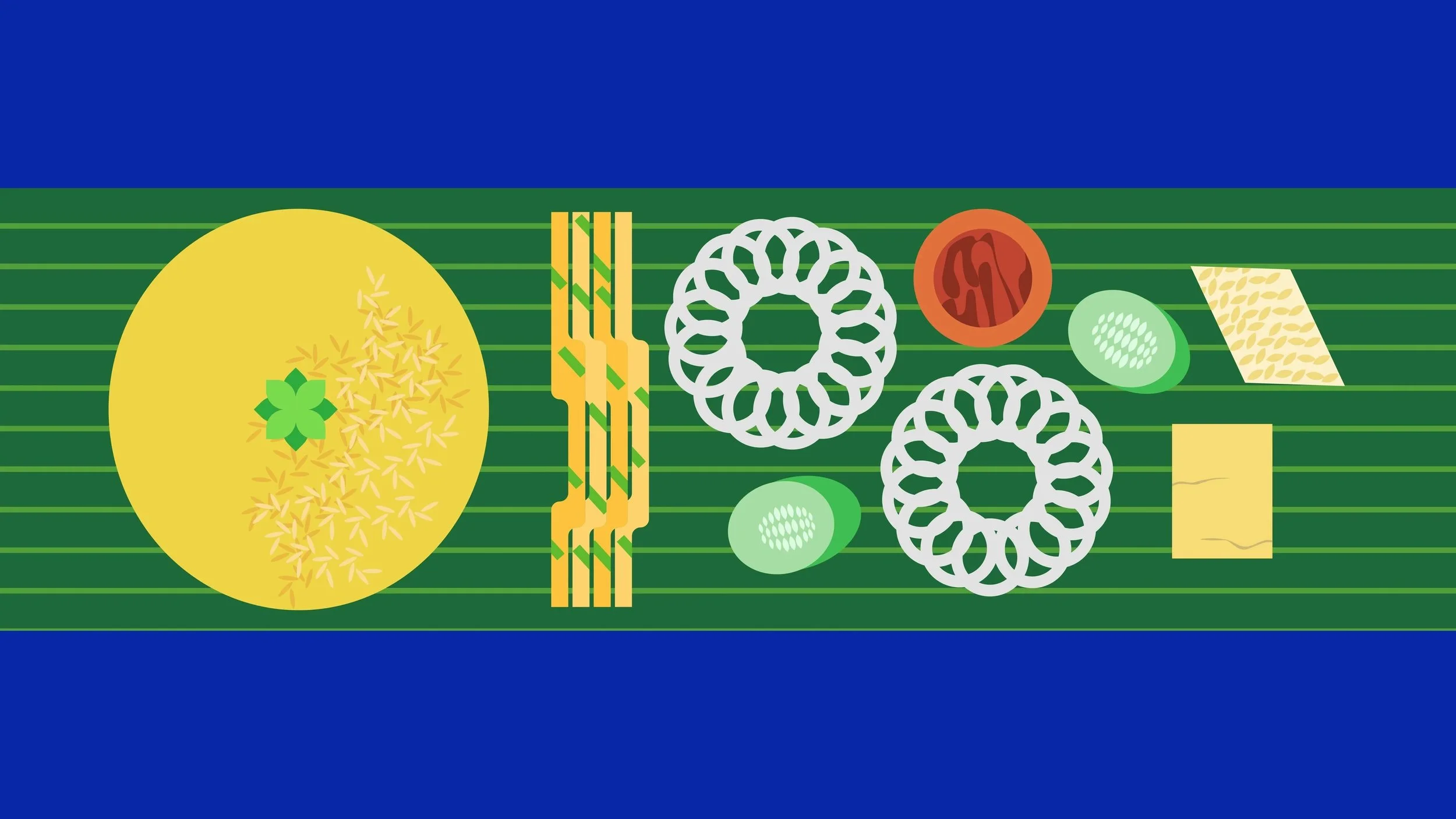
Shared is a food Illustration by Joy Velasco—a New Jersey based illustrator and animator. She works in editorial and children's media illustration.
An essay on food as survival throughout history and the cultural complexities of growing up in a mixed-race family.
How COVID-19 school closures exposed gaps in student nutrition—and why school meal programs are essential, serving billions of breakfasts and lunches each year to support learning.
What you need to know about the Supplemental Nutrition Assistance Program, SNAP, formerly known as Food Stamps, a nutrition governmental subsidized food program for families in need that is subsidized by the U.S. government.
Discover how to personalize your nutrition by listening to your body, tracking food responses, and building sustainable habits that support energy, digestion, and overall well-being.
Learn what a food allergy is, common symptoms, how to treat them, how to avoid them, and the common foods people are allergic to.
Learn what diabetes is, including its symptoms, causes, and types—plus tips for managing your blood sugar and overall health.
Learn how the digestive system works—from mouth to intestines—plus common conditions like GERD, IBS, and colon cancer, with tips for maintaining digestive health.
A food photograph by Julia Gartland—a commercial photographer based in NYC, specializing in food & still life.
A bright, summery illustration capturing connection and shared moments over refreshing drinks by illustrator and animator Jen Yoon.
A Conversation with Brenda Horton-Harris, Attia Taylor’s aunt.
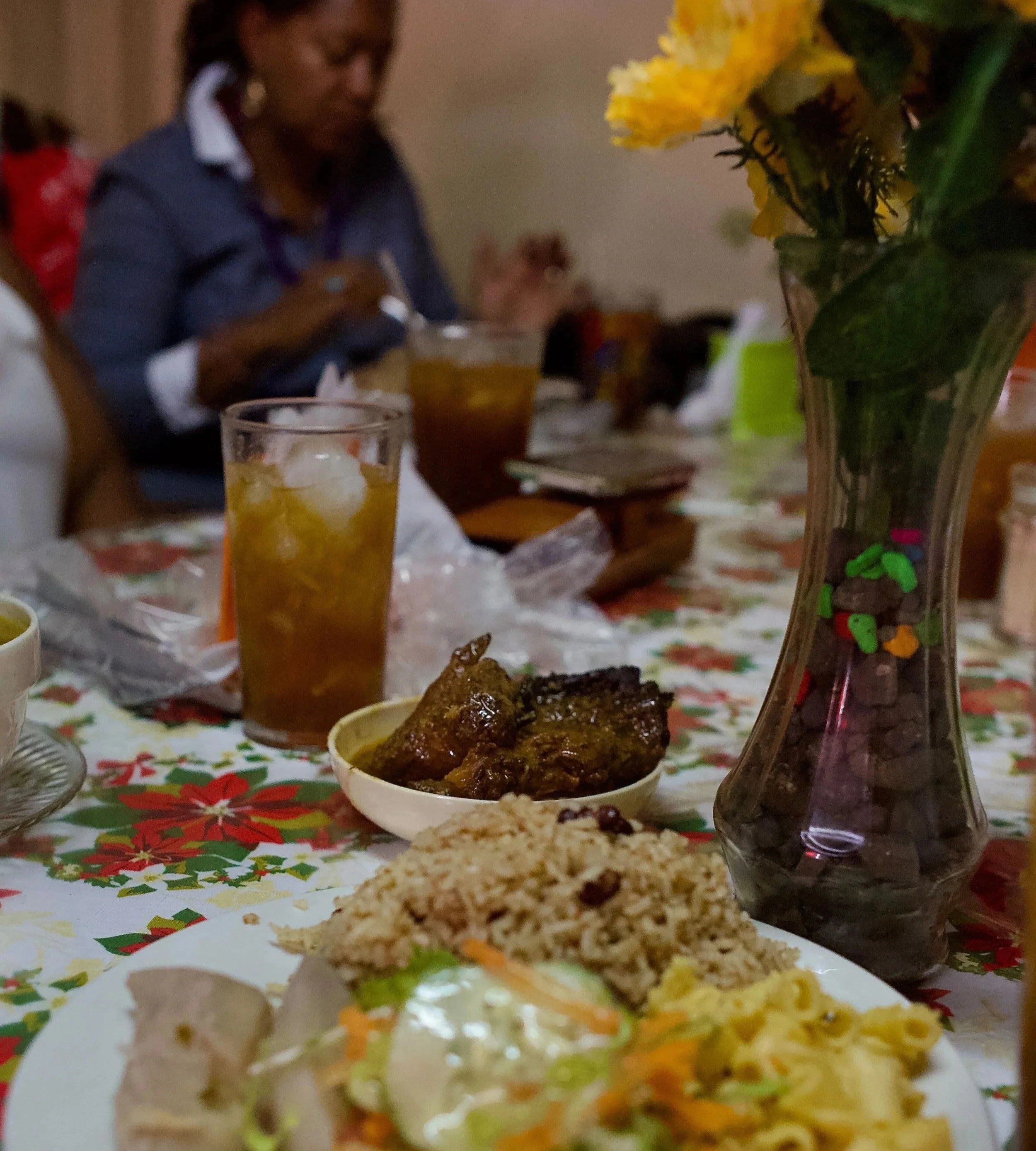
Food photography by Cara Elise Taylor of Chef Yonette Alleyne—owner of Caribbean Gourmet in San Gabriel, California.
Food photography by Justine Brown, founder and owner of Vegan Justine.
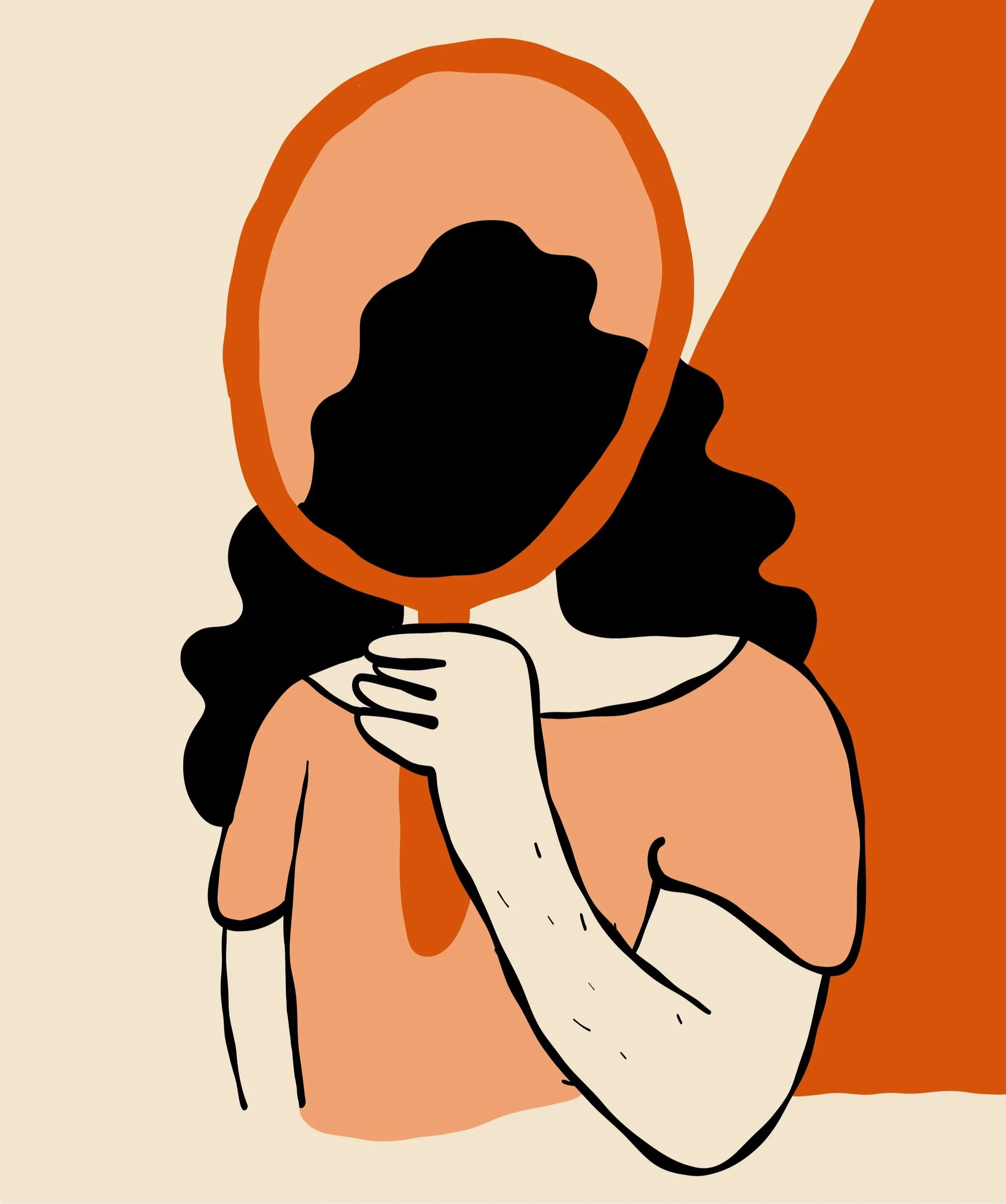
A call to home is a poem by Ośunkoya Chavon on culture, eating disorders, and ancestral healing.
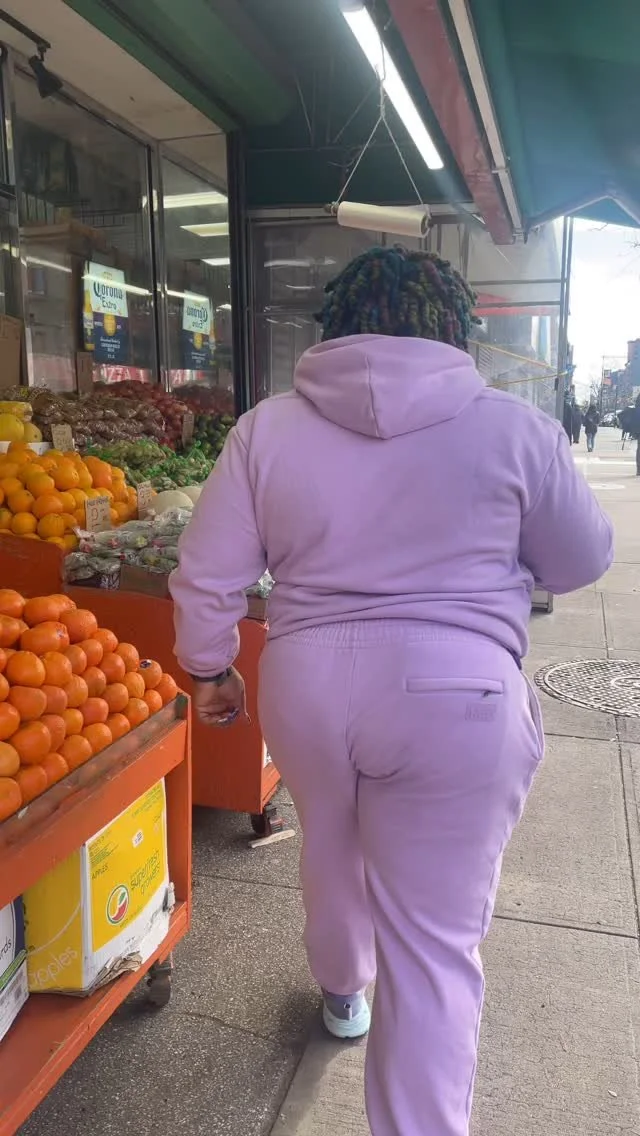
As my mother’s daughter, it’s nearly impossible for me to separate my relationship with food from her influence over it. My appreciation of herbs and spices, the inner peace I get from a well-stocked market, making sport out of trying new fruits and vegetables—I can directly attribute these things to seeing the joy they brought her.
How grassroots responses to food insecurity, especially mutual aid networks, are reshaping local political dynamics, community power, and public policy from the bottom up.
A personal essay exploring how food became a coping mechanism for childhood trauma, tracing a journey from survival and self-soothing to healing, self-awareness, and redefining comfort on your own terms.
Explore global food insecurity statistics, key causes like conflict and climate change, and the countries most affected by hunger worldwide.
Explore how prison food impacts public health, nutrition, and chronic disease, and why improving meals in correctional facilities matters for long-term health outcomes.
An exploration of fine dining through a critical lens, examining its colonial roots, cultural power dynamics, and evolving relationship to identity and food.
An essay on generational connection, memory, and longing through a trip to the grocery store for gochujang.
Learn the basics of intuitive eating and how to build a healthier relationship with food by listening to your body, rejecting diet culture, and embracing balanced, sustainable habits.
Tash Moore shares a personal reflection on food, family, and health, exploring how childhood experiences and emotional coping shaped a relationship with eating—and the ongoing journey toward balance and healing.
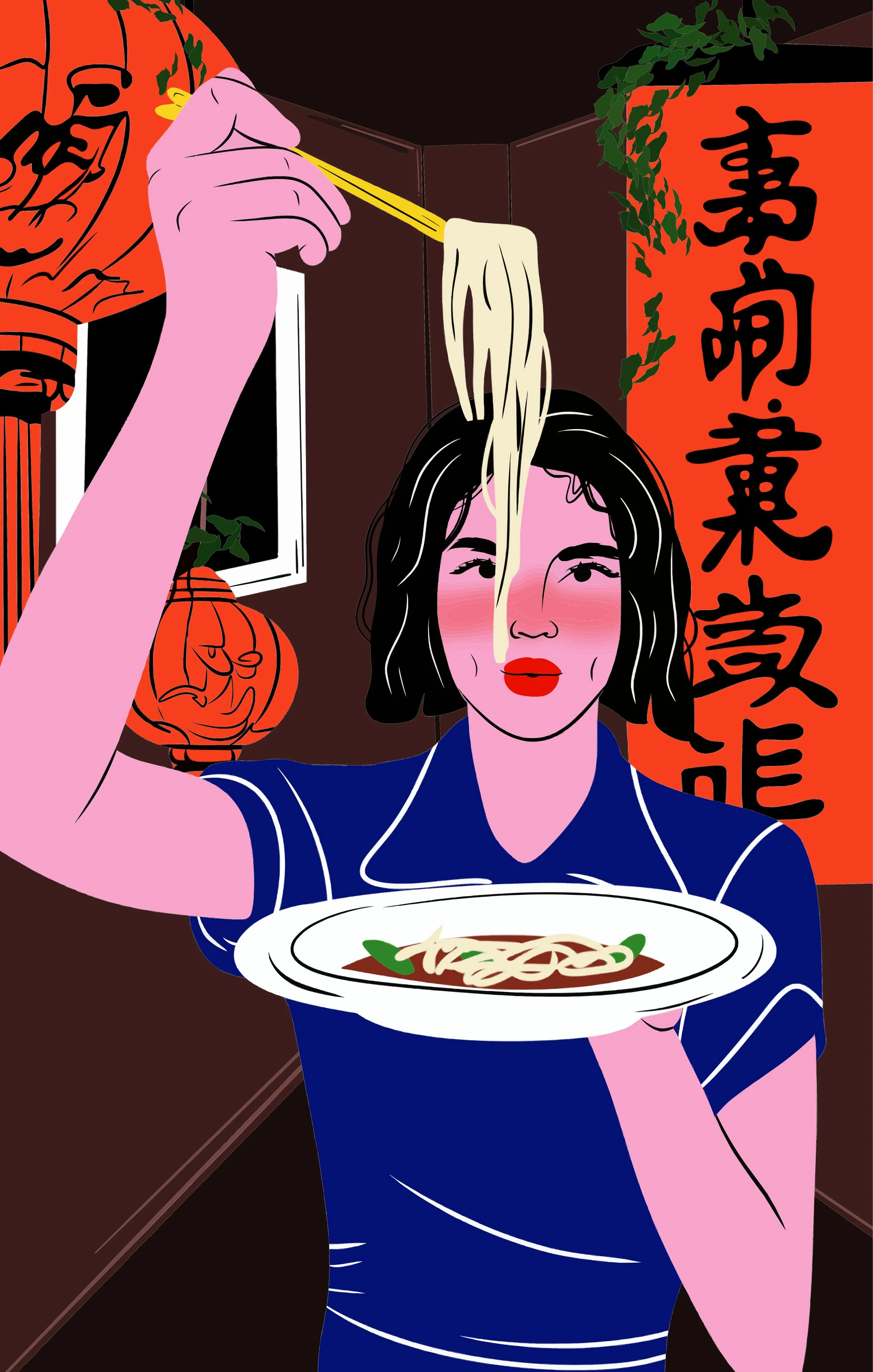
An essay examining how food bloggers often oversimplify Asian cuisines, exploring issues of representation, cultural nuance, and the impact on how these foods are understood and valued.
A food painting by disability rights advocate and artist, Nonja Tiller.
Illustrator Nan Cao explores sugar addiction through illustration.
Transcript from Anthropology 102: Race and Food at Howard University, November 10, 3411, guided by Octavia and Ursula.
In a conversation, Kaori Sueyoshi uncovers her mothers unwavering dedication to keeping Japanese cooking alive in North Carolina even with limited access to resources.
An exploration of how decolonizing food can support healing, reclaim cultural identity, and challenge oppression through ancestral knowledge, traditions, and storytelling.
Film photography of a once-was California food scene by writer and photographer Kendall McKenzie.
Elizabeth Fortnum is an illustrator, printmaker, and researcher with a particular interest in education, language, food and identity.
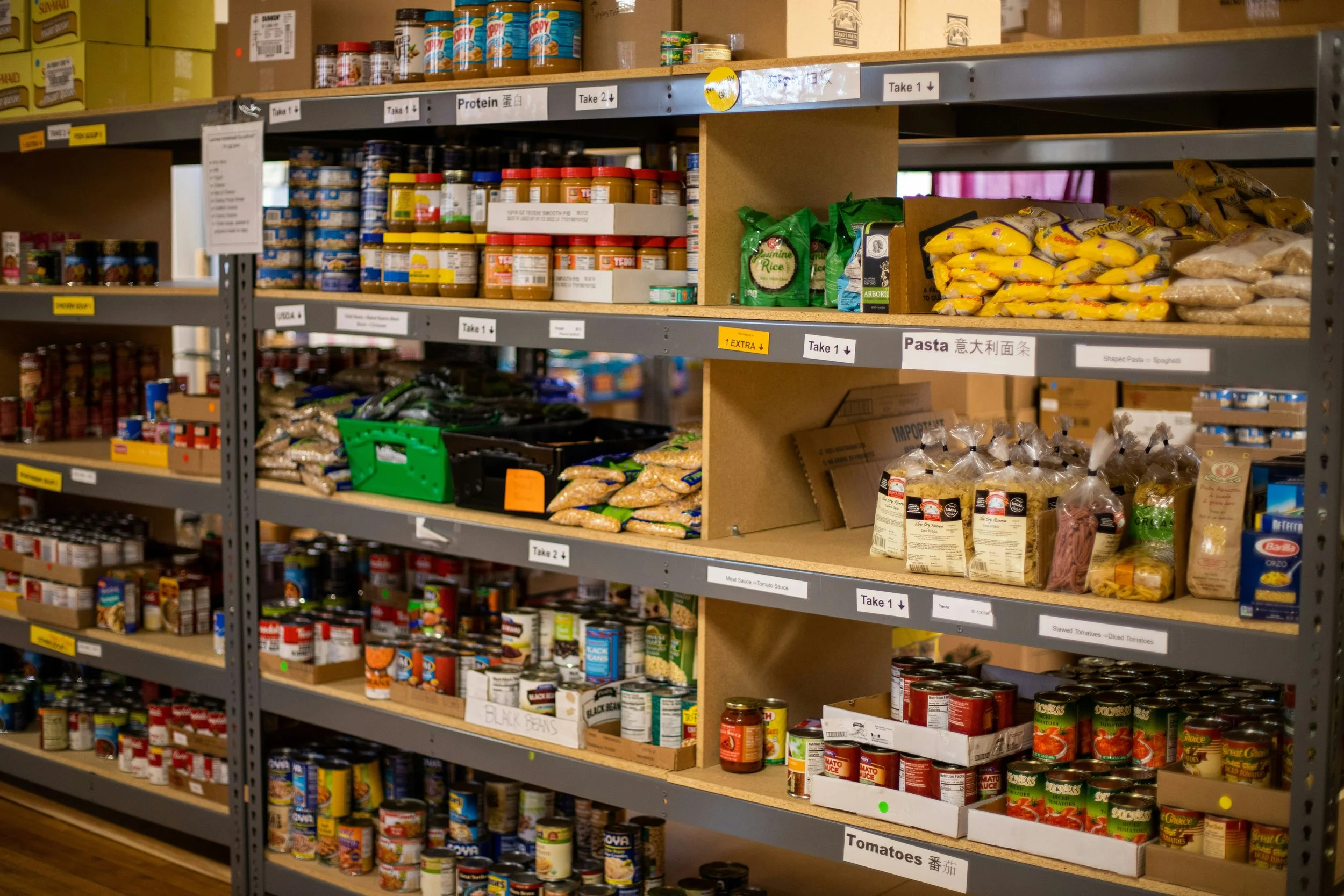
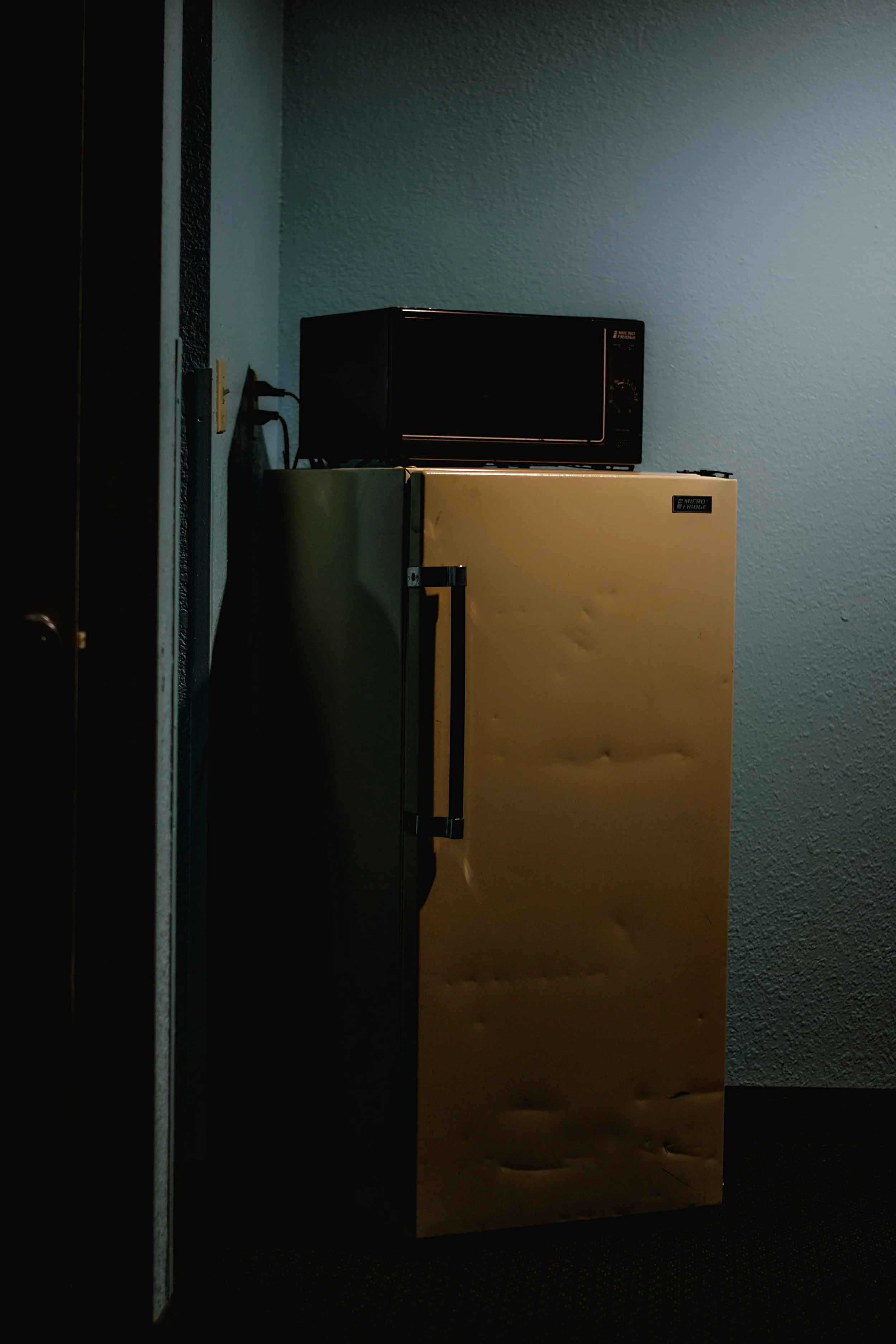
An interview with Zenat Begum of Playground Coffee Shop on community fridges, mutual aid, and how grassroots efforts are expanding food access and community support.
I try to be nice to my body. To accept that it needs more than rest and sleep to fend off disease. I am constantly thinking about my grandmother, who beat two types of cancers and lived to tell me that sugar is the devil.
A short film on Olivia Nava's work with Our Harvest to cultivate community through locally grown food. The family-owned cooperative has been standing for over 100 years in the city limits of Cincinnati, OH.
An illustration by award-winning illustrator, Nan Cao. Cao works across children’s books, editorial illustrations, posters, and toy designs.
A food illustration by artist and children's book author, Nan Cao.
Photo essay by Lucy Murray Willis on painter and artist Chrissy’s relationship to her garden in London.
An interview with Christine Tran, former Executive Director of the LA Food Policy Council, on food justice and how policy and community action intersect to improve equitable food access.
A comprehensive guide to breastfeeding and formula feeding, covering benefits, challenges, safety tips, and alternatives to help parents make informed choices for their baby’s nutrition.
Learn how to read a nutrition label, understand ingredients, and make informed, healthy food choices with this simple guide to food labeling basics.
A whimsical food illustration by Jemima Muir for Issue No. 6. Jemima Muir is a freelance illustrator and lecturer living in Birmingham, UK.
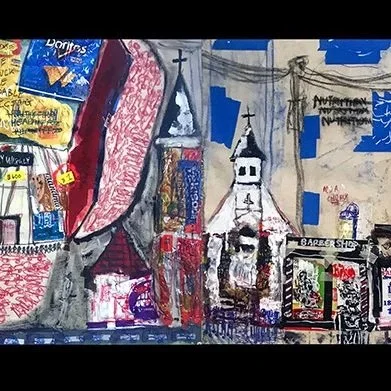
Gesso, acrylic paint, sharpie, graphite, and spray paint on canvas by artist Xavier Xcel Lightfoot.
A reflective essay on gardening, community, and food as acts of care and resistance, exploring how nourishment, land, and collective rituals support healing during times of unrest.
check out some of our most trusted resources for preventive health care education and crisis management.