
Womanly harnesses the power of community and art to drive health education.
Founded in 2017, Womanly Magazine is an arts and health publication dedicated to supporting women and non binary individuals in gaining greater autonomy over their health. Distributed both online and in print worldwide, Womanly amplifies community voices through its magazine, creative workshops, panels, and art activations. Our work highlights the contributions of artists, writers, and health care professionals who are reshaping culture, health education, and access.
Womanly is one of the few organizations in the United States delivering arts-based, culturally competent health education through content created and led by women of color. Our magazine and multimedia campaigns amplify lived experiences while addressing topics such as reproductive health, mental well-being, and chronic illness.
In December 2019, Womanly was inducted into the Library of Congress in print and as a part of their digital archives. Womanly has been recognized by Rachel Cargle and The Loveland Group, BeyGOOD Foundation, Brooklyn Arts Fund, the Community of Literary Magazines and Presses, and more. In 2023, Womanly received a Creative Power Award to support work at the intersection of art and social justice.
Our Team
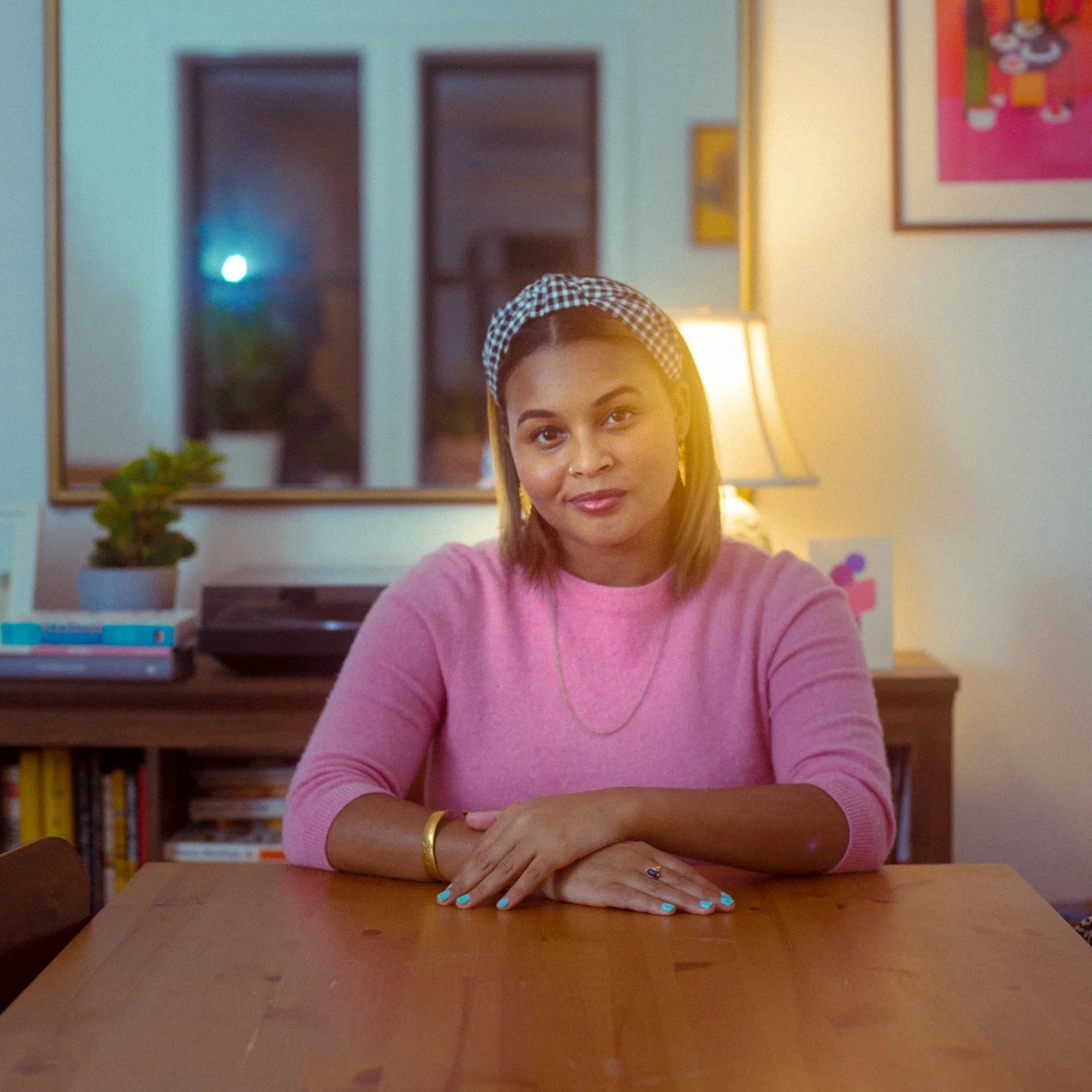
Attia Taylor
Attia is a Brooklyn-based creative producer, director, musician, and the founder of Womanly. Her work is rooted in public health and health advocacy—spanning print, film, research, and creative production, with a focus on building community and uplifting culturally relevant stories on health access, identity, and culture. Attia is also Associate Director of Digital Content Strategy at Planned Parenthood Federation of America.
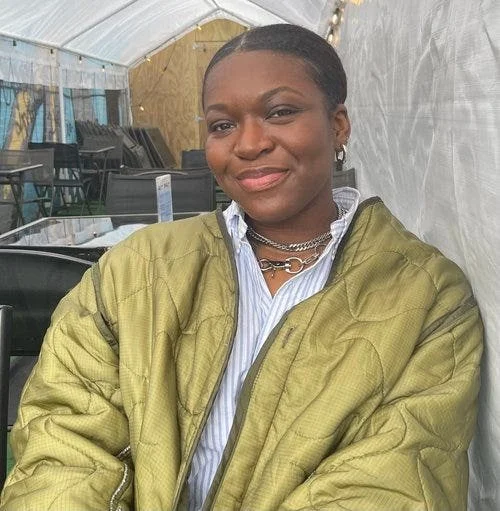
Nia-Simone Woods
Nia-Simone Woods is the Strategic Partnerships & Development at Womanly. As a sexual & reproductive health researcher and writer, her work centers the influence of visual media on SRH decision making and outcomes in Black and Brown communities. As a current graduate student in Sociomedical Sciences at Columbia University, and former graduate of Spelman College, Nia-Simone places all of her work within a sociohistorical context and considers the gendered and racialized experiences of women, girls, and queer-identifying people in her analyses.

