How to Lower Your Blood Pressure Naturally: Diet, Exercise, and Lifestyle Tips
NEED TO KNOW
SPECIAL ISSUE: HIGH BLOOD PRESSURE
WORDS - Aarti Patel, PA-C
ILLUSTRATION - Lee Price, Lexi Nilson, Yuanyuan Zhou
High blood pressure (hypertension) is a condition you can often help manage and prevent through healthy lifestyle choices. Whether you’ve already been diagnosed with high blood pressure or are looking to lower your risk, there are practical steps you can take to improve your heart health and find an approach that works for you. Focus on making gradual changes rather than trying to overhaul everything at once—small, consistent habits can make a meaningful difference in lowering blood pressure over time.

Know Your Blood Pressure Numbers
Knowing your blood pressure numbers and checking them regularly can help you detect changes early and manage your health more effectively. Tracking your readings over time makes it easier to understand what’s normal for you and when to take action.
A blood pressure monitor is a tool you can use to measure your blood pressure at home. Many pharmacies offer free or low-cost blood pressure monitoring stations. If you have high blood pressure (hypertension), using a home blood pressure monitor can help you track your readings more consistently and support better blood pressure management.
Consider Your Drug Use
Substance or drug use can significantly affect your blood pressure and heart health. Stimulants such as amphetamines and cocaine can raise your blood pressure, disrupt your heart rhythm, and contribute to plaque buildup in your arteries, increasing your risk of heart attack and stroke.
Research shows that up to 25% of nonfatal heart attacks in people ages 18–45 are linked to regular cocaine use. If you experience chest pain, tightness, or pressure while using drugs, it’s important to seek medical care so a health care provider can evaluate your heart.
Opioids, such as heroin, may not always cause immediate spikes in blood pressure, but long-term use can still impact cardiovascular health. Withdrawal can also lead to temporary increases in blood pressure.
Medication-assisted Treatment (MAT), including buprenorphine, methadone, and naltrexone, is a safe and effective long-term option for treating opioid use disorder and can help reduce overall health risks, including complications related to high blood pressure.

Reduce Your Sodium Intake
Reducing your sodium intake is an effective way to lower and manage high blood pressure (hypertension). Most adults should aim for less than 2,300 mg of sodium per day—about one teaspoon of salt—to support heart health.
If you have high blood pressure, diabetes, chronic kidney disease, or are over age 51, a lower limit of 1,500 mg of sodium per day is recommended for better blood pressure control.
Processed and packaged foods are often high in sodium, so checking nutrition labels can help you make healthier choices. You can also reduce sodium by limiting how much salt you add at the table and using flavorful alternatives like herbs, spices, vinegar, or lemon juice.
Limit Your Alcohol Consumption
Drinking alcohol, especially in excess, can raise your blood pressure and increase your risk of hypertension. To support your heart health, aim to limit your alcohol intake to no more than one drink per day.
If you’re trying to cut back, consider swapping alcoholic beverages for healthier alternatives like seltzer water, mocktails, or non-alcoholic beer.
You can also suggest alcohol-free social activities with friends and family, such as hiking, playing board games, taking a cooking class, or going to a movie, to help reduce overall alcohol consumption and support better blood pressure management.

Exercise Regularly and Be Active
Regular physical activity and exercise is one of the most effective ways to lower your blood pressure and improve your overall heart health. Aerobic exercise, also known as cardio, can help strengthen your heart and improve your circulation.
Choose activities you enjoy to make it easier to stay consistent. Any movement that raises your heart rate counts, whether it’s walking, dancing, gardening, tai chi, or cycling. Building a routine can help you stay on track. Consider exercising with a friend or accountability partner by joining a virtual workout class or scheduling regular walks together.
Aim for at least 150 minutes of moderate-intensity exercise (such as brisk walking or gardening) or 75 minutes of vigorous activity (like running, swimming, or cycling) each week.
Remember, exercise doesn’t have to happen all at once. Short bursts of activity throughout the day like stretching, taking the stairs, or doing quick exercises between tasks can add up and still support healthy blood pressure.
Reduce Your Caffeine Intake
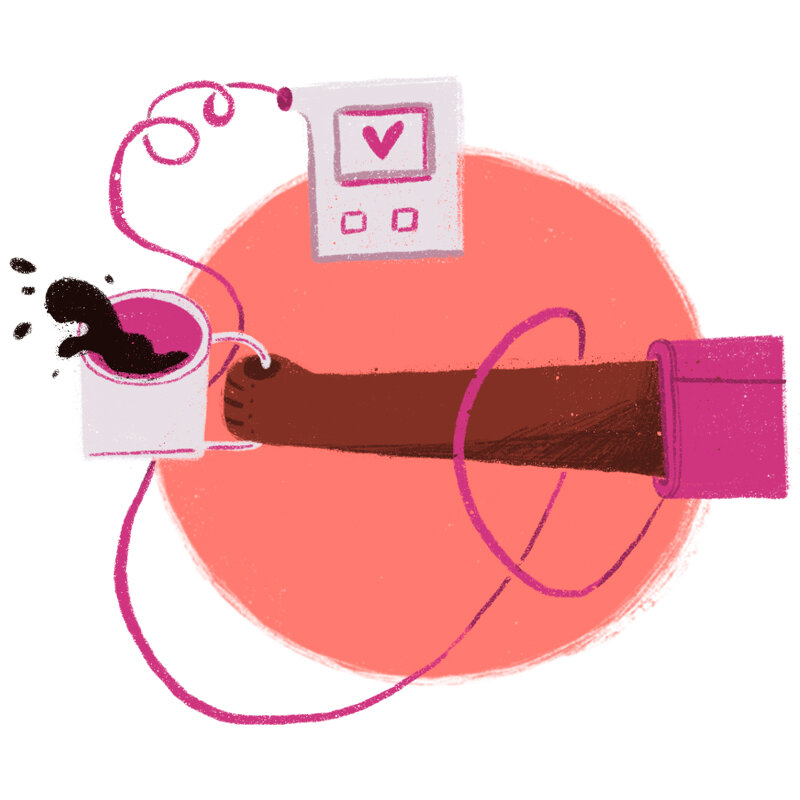
Caffeine, found in coffee, tea, chocolate, and many soft drinks, can affect your blood pressure levels. While you don’t need to eliminate caffeine completely, reducing your intake may help keep your blood pressure under control.
Caffeine affects everyone differently, so it’s helpful to understand how your body responds or reacts. Try checking your blood pressure before having caffeine and again 30 minutes later. If your reading increases by 5–10 points, you may be more sensitive to caffeine.
It’s also a good idea to limit caffeine before you do any activities that can naturally raise your blood pressure, such as exercise or stressful situations. If you plan to cut back, reduce caffeine gradually to avoid withdrawal symptoms like headaches or fatigue.

Quit Smoking
Smoking causes an immediate increase in your blood pressure each time you use tobacco, putting extra strain on your heart and blood vessels.
It also significantly raises your risk of coronary heart disease by damaging the arteries that supply blood to your heart, which can lead to heart attack and stroke.
Quitting smoking is one of the most important steps you can take to improve your heart health and lower your blood pressure. While it can be challenging, support is available. Talk to your doctor or pharmacist about proven quit methods, medications, and resources that can help you succeed.

Eat More Fiber
Eating a high-fiber diet can help lower blood pressure and support your overall heart health. Most adults should aim for 25 to 38 grams of fiber per day.
There are easy ways to boost fiber in your daily diet. Eat fiber-rich foods like beans, whole grains, fruits, and vegetables. Replacing high-sodium processed foods with these healthier options can further support better blood pressure control. Try adding more fiber to your meals by incorporating vegetables into your favorite recipes or exploring new dishes that feature whole, plant-based ingredients.