
This is a paid partnership with Bobbie. The Womanly team is dedicated to finding and telling you about our favorite products and brands. We only endorse products we believe in.
For mothers who struggle with breastfeeding, choosing the right formula makes all the difference
"I felt like a failure because I needed to ‘outsource’ for my son."
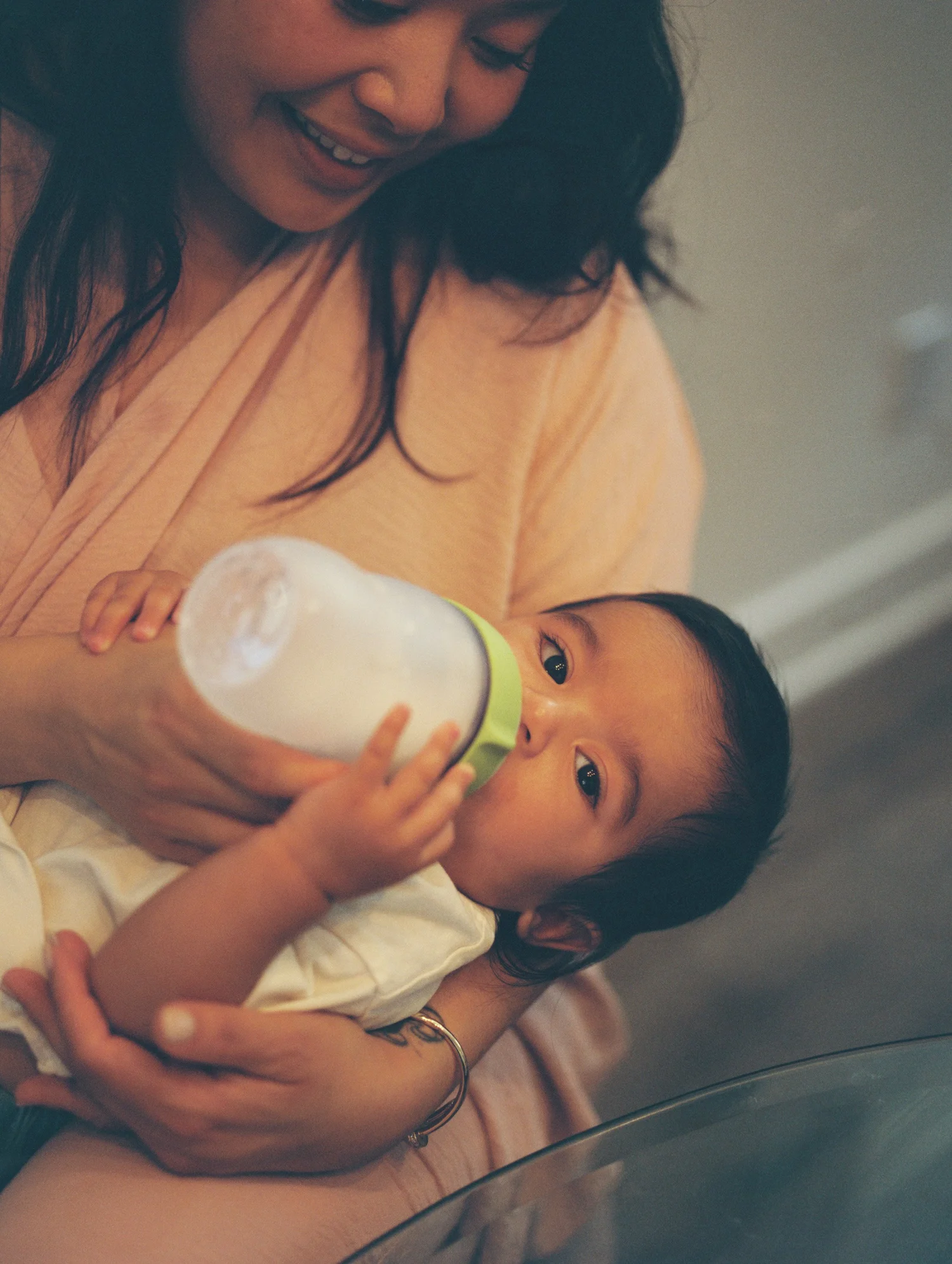
Alanah Wade is a certified doula and mother who remembers the days after her son was born, when complications forced her to abandon the exclusive-breastfeeding plan she'd carefully prepared for.
For mothers and new parents who struggle with breastfeeding, there’s often a stigma tangled up in the decision of how and what to feed your baby. It shows up as guilt at 3 a.m, defensiveness at the pediatrician's office, and it shows up as three hours lost to an ingredient-list rabbit hole.
Choosing a formula you feel good about can be stressful, confusing, lonely, or maybe a little fun and exciting. Wherever you are in your search, we’ve compiled a list of things to look for to help take this one thing off your list.
What’s in conventional formulas?
Most mainstream baby formulas have subtle or not-so-subtle ingredients that can affect the health and daily comfort of your baby. Many of them contain:
Palm oil and palm olein oil. These are added to mimic the fatty-acid profile of breast milk, but can lead your baby to having harder stools and reduced calcium absorption.
Glucose syrup solids or corn syrup, used as sweeteners in place of lactose
Soy allergens
Vegetable oils extracted using chemical solvents rather than expeller-pressed
Four key things to look for when choosing a formula
Certified USDA Organic: The word organic on the front of a can doesn't require certification. The USDA Organic seal does. It requires milk from cows raised without synthetic hormones, antibiotics, or GMO feed, and the process is audited. If a label uses organic-adjacent language without the actual seal, treat it as marketing.
Whole milk formula: Whole milk formulas are still uncommon in the U.S., but they matter. The naturally occurring fat in whole milk delivers fatty acids closer to those in breast milk, and tends to produce softer, more comfortable stools.
Third-party testing: Regulation sets a floor, not a ceiling. Independent testing organizations like the Clean Label Project screen for lead, arsenic, cadmium, mercury, BPA, and hundreds of other chemicals. A brand that submits to third-party testing is telling you something about its priorities.
Simple ingredients you can pronounce. Look for lactose (the primary carbohydrate in breast milk) rather than corn syrup solids. Look for expeller-pressed oils rather than solvent-extracted ones.
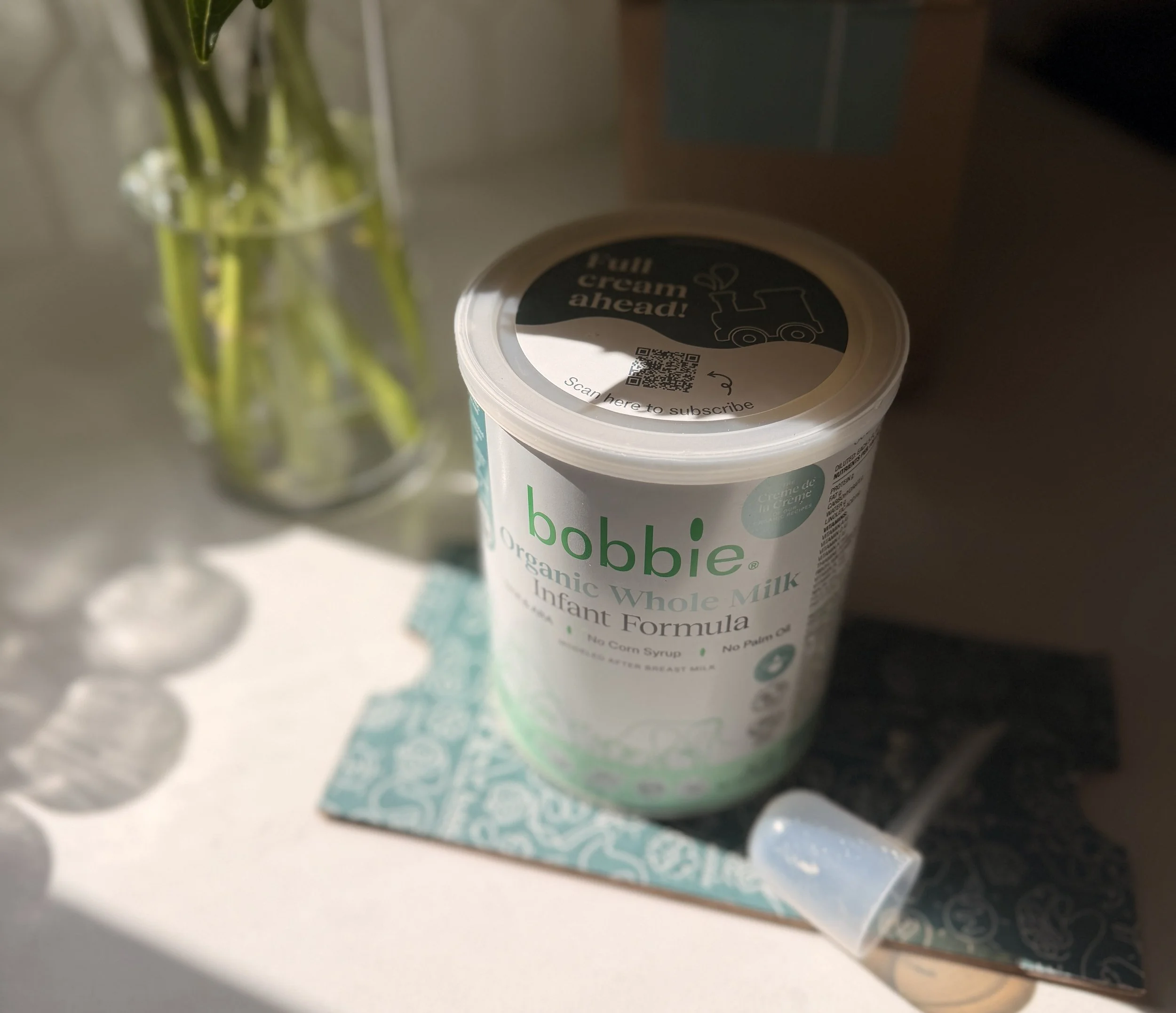
Our #1 Pick for Baby Formula: Bobbie
Bobbie was founded in 2018 by mothers who couldn't find a U.S. formula that met the standards they wanted for their own babies. It was built against exactly the criteria above. That’s why they’re our top recommendation for a clean and safe formula.
Bobbie’s Organic Whole Milk Infant Formula is USDA Organic certified, made with 100% organic whole milk from grass-fed cows who graze on pasture year round.
Every batch clears more than 2,000 safety checks, and the formula is Clean Label Project certified after screening for over 400 chemicals.
No palm oil, no palm olein oil, no soy allergens, no alternative sugars. The primary carbohydrate is 100% organic lactose, and the recipe includes naturally-occurring MFGM from whole milk, DHA, and choline to support brain development.
Subscribers get a full year of formula set aside the moment they join, which addresses the shortage and recall anxiety that has kept a lot of parents up at night.
If you're still having trouble choosing the right formula, help is available. Reach out to a certified, licensed lactation consultant or doula who is an expert in infant feeding. They can help you weigh the pros and cons of your options. It's also important to work through any anxiety you may be feeling so that, when challenges arise, you're able to adapt with more confidence and ease.
Thanks to our friends at Bobbie, new customers get a can free when they buy one. Learn more at hibobbie.com.