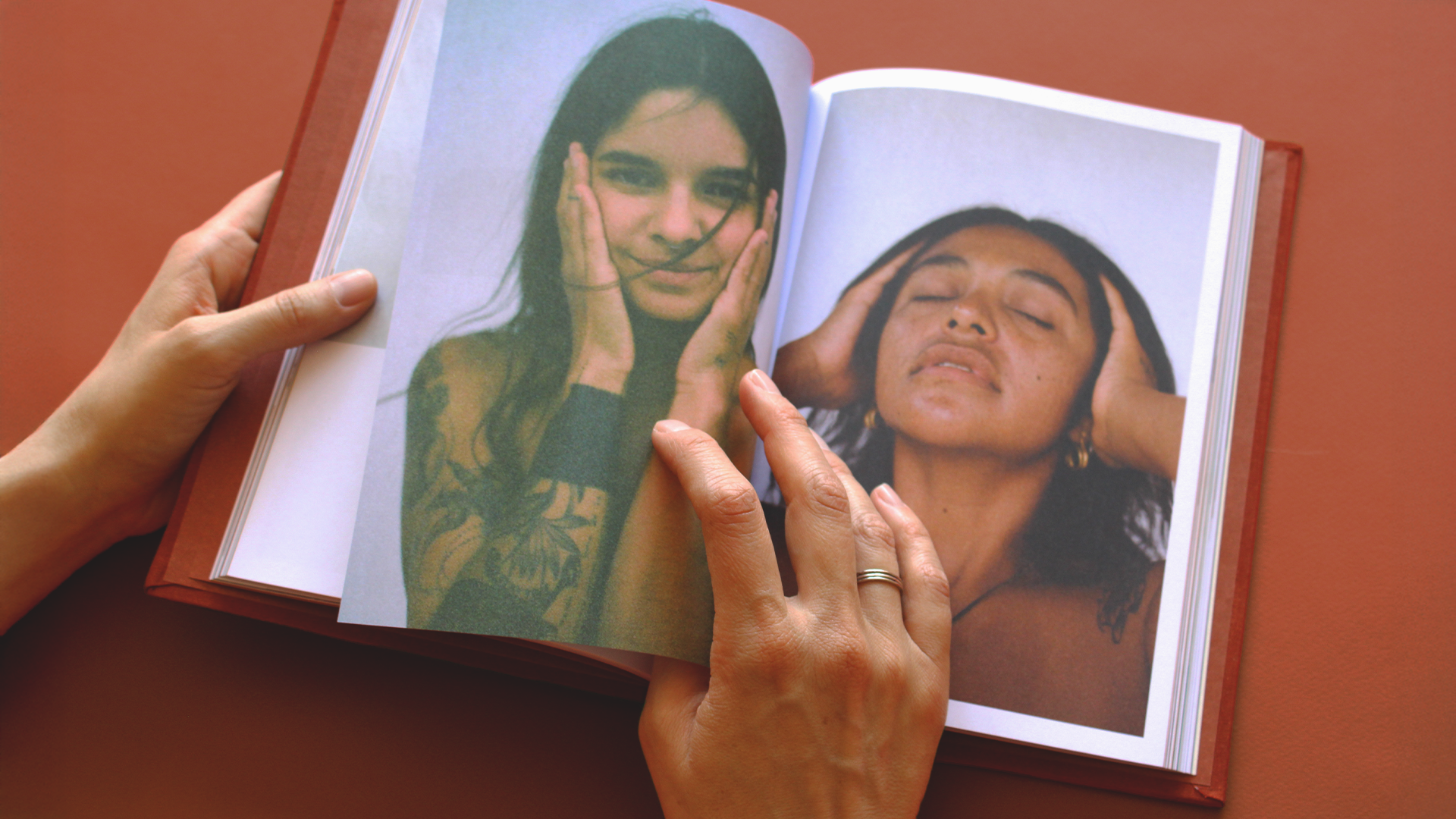
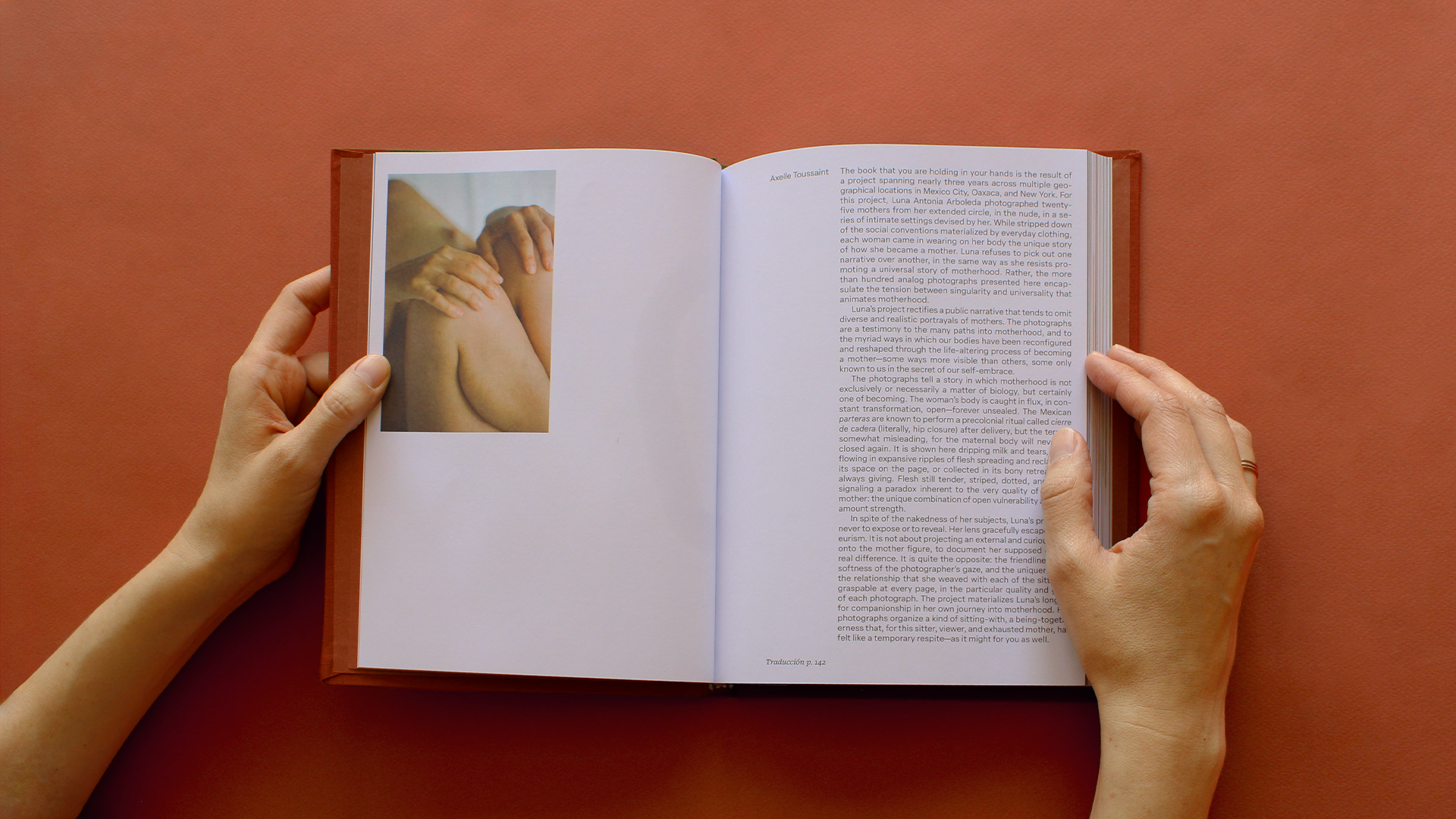
Luna Antonia Arboleda is a 34-year-old actress, photographer, artist, and mother whose work explores the emotional and physical realities of womanhood and motherhood. Her photo project, Madre, challenges the narrow public narratives that often flatten or sanitize maternal experience, offering instead intimate, honest portrayals of mothers in all their complexity.
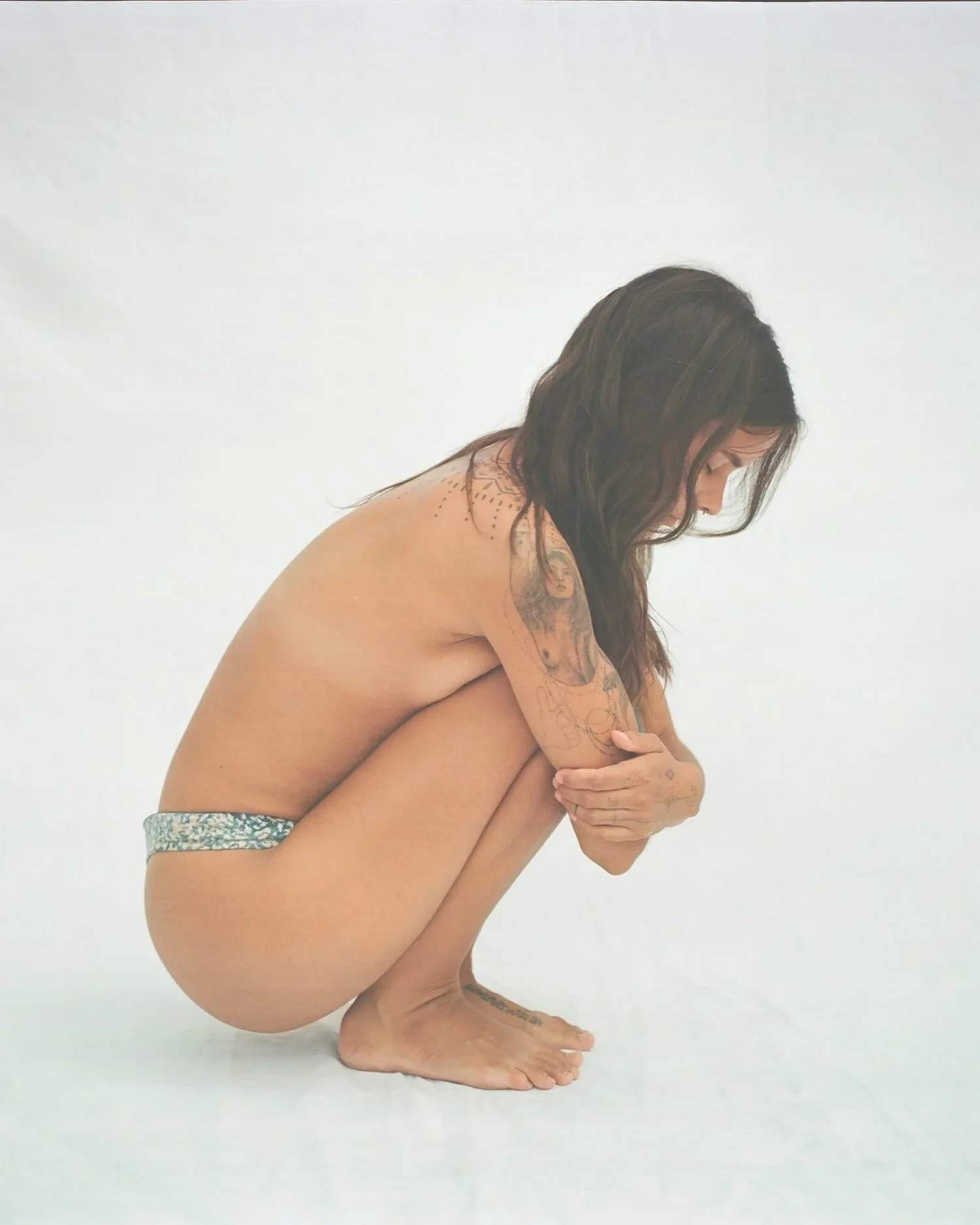
Shot entirely on analog film, the photographs serve as a testament to the many paths into motherhood and the countless ways our bodies and identities are transformed through the process of becoming a mother. Some of those changes are visible; others exist quietly within us, known only in moments of private reflection and self-embrace. Through these portraits, motherhood emerges not simply as a biological experience, but as an ongoing act of becoming.
Spanning nearly three years and photographed across Oaxaca, Mexico City, and New York, Madre brings together portraits of twenty-five women, capturing both the deeply personal and profoundly universal dimensions of motherhood.
In conversation at the Ace Hotel in Brooklyn this Spring, Luna reflected on the grief over the loss of her father, migration, postpartum loneliness, and the deeply personal journey behind creating Madre.
“I became fascinated by what mom’s look like. The scars, milk, cellulite, softness, stretch marks all the things women are taught to hide.”
Attia Taylor: How did you find your way to Oaxaca?
Luna Antonia Arboleda: I’m originally from Germany, and I’ve lived in Oaxaca, Mexico, for eight years now. Before that, I lived in New York for seven years. When my visa expired, and around the same time my stepfather passed away, it became a turning point in my life.
Going back to Germany felt too painful, so I wanted to go somewhere entirely different. I’m one-quarter Colombian, and I’d never really connected to my Latin roots. Ironically, New York was the place that encouraged me to embrace them. Most of my friends there were Latin American, but I didn’t speak Spanish and often couldn’t understand them.
Then I visited my best friend, who was traveling through Mexico, and she told me to meet her in Oaxaca. I fell in love with the place immediately. So when my visa expired, I decided to move there.
At that time, I was still acting. I was in acting school and working in theater. But after my stepfather died and I moved to Oaxaca, everything changed. I didn’t know Spanish, so acting in Mexico wasn’t really an option. I originally planned to stay only a few months, to process my grief and live differently for the first time in my life—in a slower and less work-focused way.
That’s when I started learning Spanish, living day by day, and experimenting with photography. Someone gifted me my first analog camera, and I began documenting my life in Oaxaca. That’s really how photography started for me.
I taught myself. A close friend in New York, Jasmine, had photographed me on analog film once, and I was deeply inspired by her work. So I began photographing my own experience in Oaxaca. I met my partner, Alfredo, and one thing led to another. Eight years later, I’m still there.
You mentioned your stepfather’s passing. I’d love to hear more about your grieving process and whether photography played a role in it.
Photography definitely slowed me down. Especially analog photography, because it’s such a slow process. You have to focus carefully on light, framing, and timing.
Oaxaca itself is slower too. Not knowing the language forces you to move differently. You become more observant and respectful. Coming from acting, where I was always in front of the camera, photography allowed me to move behind it and observe others instead.
I don’t know if photography directly helped me grieve, but Oaxaca absolutely did.
I arrived in July, and by November it was Día de los Muertos—Day of the Dead. That experience completely changed the way I understood grief. In Germany, grief felt private and restrained. In Oaxaca, people build altars, celebrate their loved ones publicly, share stories, display photographs, cry openly, and honor the dead collectively.
It was painful, but also incredibly freeing and beautiful. Coming from New York’s nonstop hustle culture, where you wake up early and get home late and never really stop, Oaxaca gave me permission to pause.
And photography was just for me at that point. It wasn’t career-driven. That felt refreshing too, because in New York every interaction can feel transactional—“What do you do?” or “How can you help me?” In Oaxaca, nobody really cares about your job. People care more about connection.
It was also important for me to process my stepfather’s death before becoming a mother myself. I remember going into therapy thinking, I need to mourn this before I have a child. I need to heal something first.
Did your own journey into motherhood inspire this project?
Completely.
About six months after having my son, Lías, I now realize I was experiencing postpartum depression. At the time, I didn’t fully understand it. I’ve since read a lot about postpartum mental health and how hormonal changes affect every woman differently after birth.
I felt deeply lonely. I could function—I could care for my child and be present with my partner—but emotionally I wasn’t okay. I also felt isolated living in Oaxaca. It’s a beautiful place, but it can also be difficult and complex, especially as a foreigner trying to build a career while raising a child. So I reached out to what was closest to me: other women and mothers.
At first, we simply shared birth stories—traumatic births, beautiful births, complicated births. My own birth experience was difficult because I had planned for a home birth, but at the last moment it became an emergency C-section. Letting go of that vision was emotionally devastating for me.
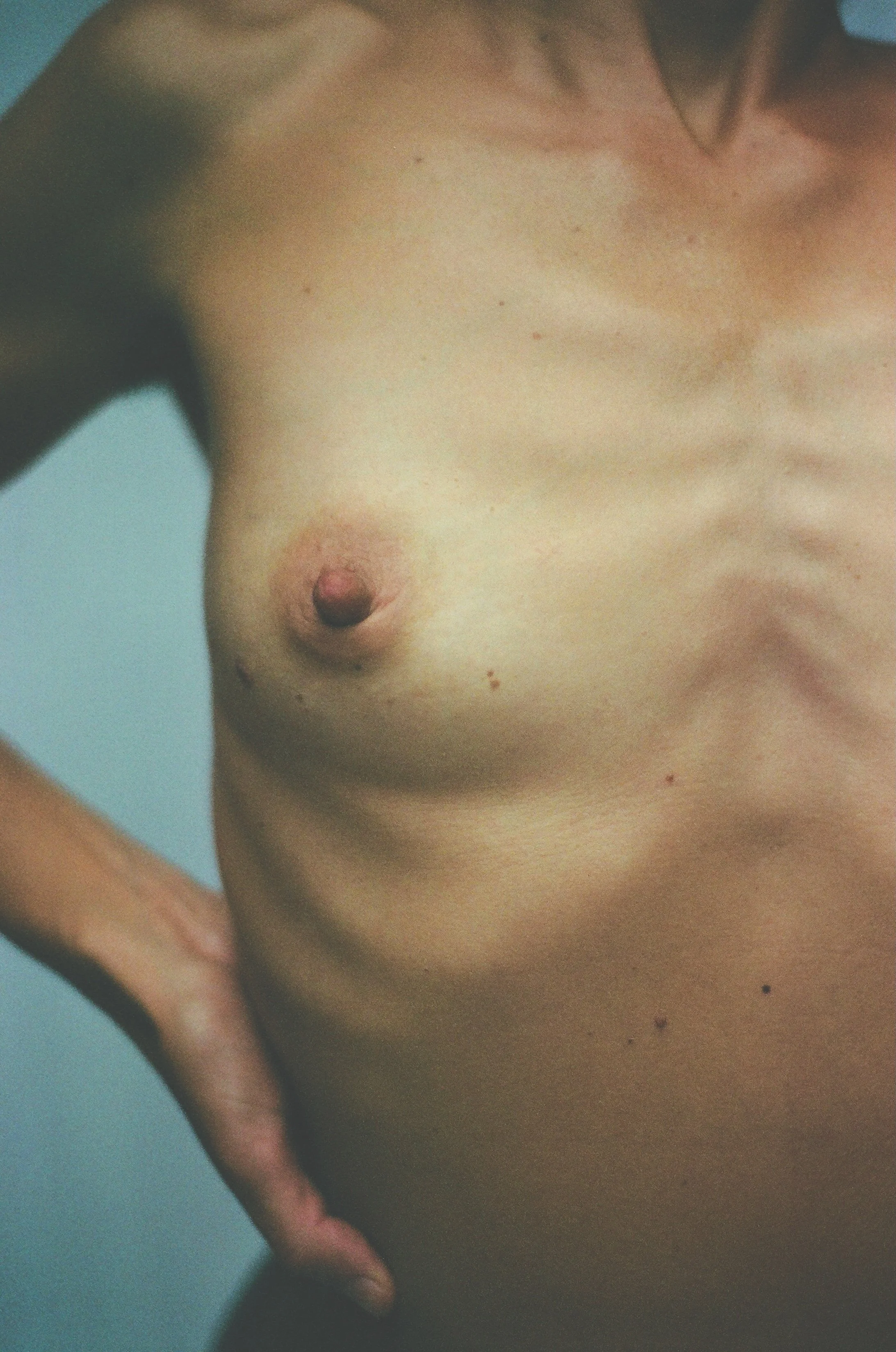
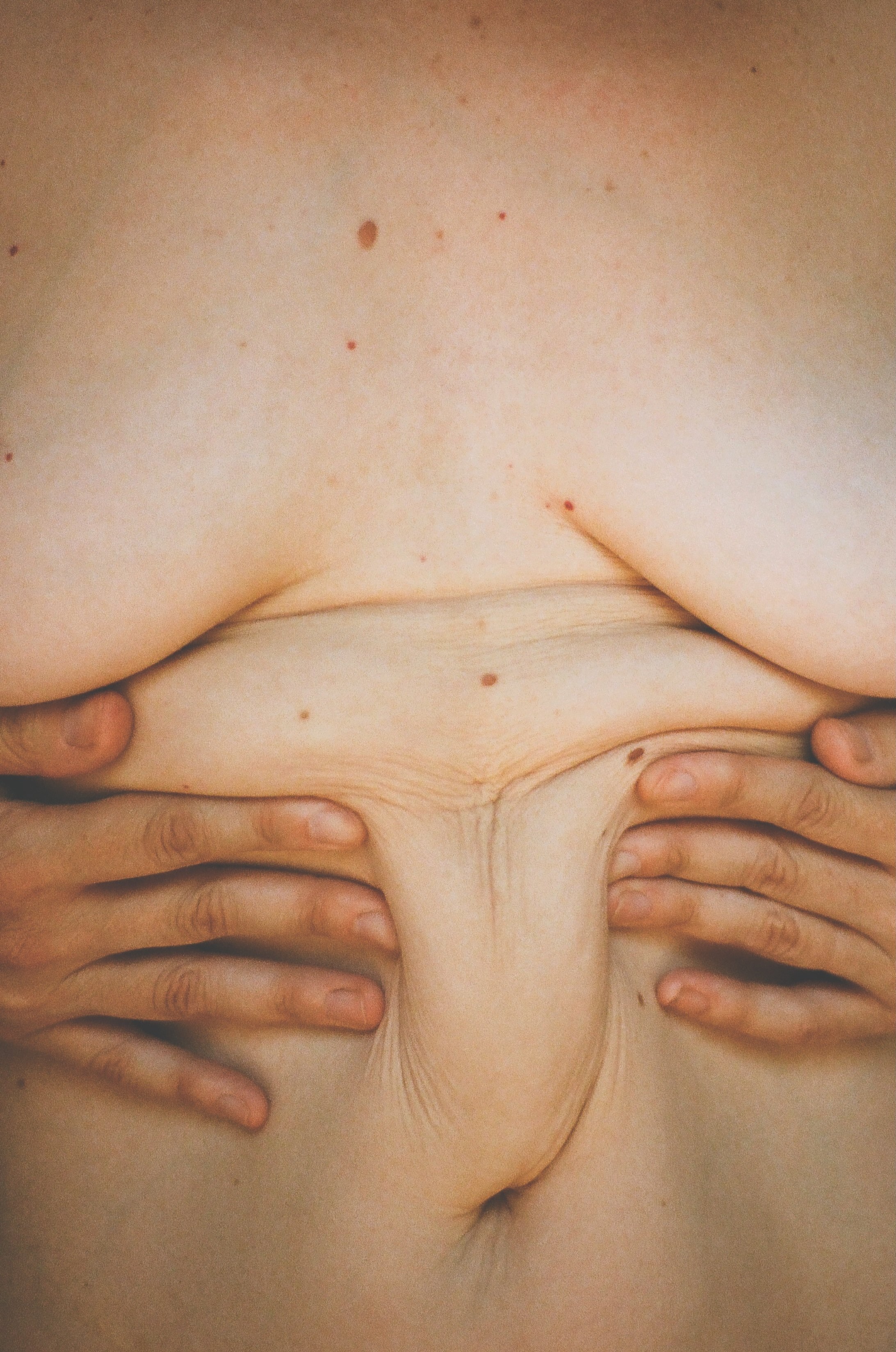
Around six months postpartum, I started feeling physically and emotionally able to move through the world again. I went back to the gym and became hyper-aware of women’s bodies—especially how motherhood changes them.
I remember being in an “abs and butt” class and realizing I could immediately tell which women had children just by looking at their bodies. And I thought: Why are we trying so hard to erase evidence of motherhood?
I went to the Met recently and looked at ancient sculptures and paintings of women. They all had bellies, hips, breasts. Those bodies were celebrated. They looked real.
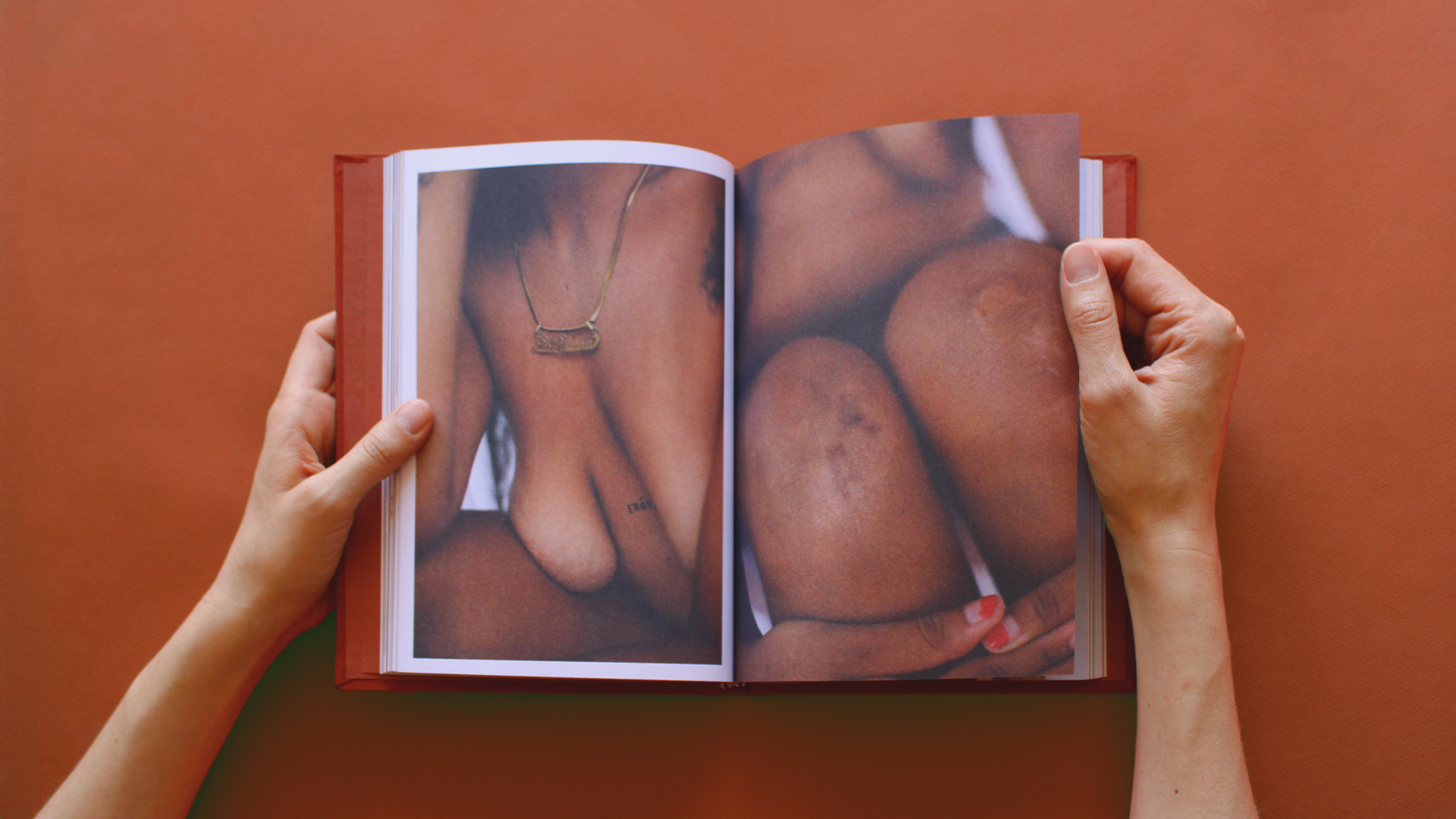
I became fascinated by what mom’s look like. The scars, milk, cellulite, softness, stretch marks all the things women are taught to hide.
The book captures that vulnerability so beautifully. It feels incredibly delicate and compassionate toward the women you photographed.
Thank you. Originally, I thought it would simply be a body project. But very quickly it became much more emotional and complex. Every session turned into something like therapy.
My acting background helped because I knew how to create comfort and trust. We’d have tea, cookies, and music. Spaces where women could relax before I ever picked up the camera.
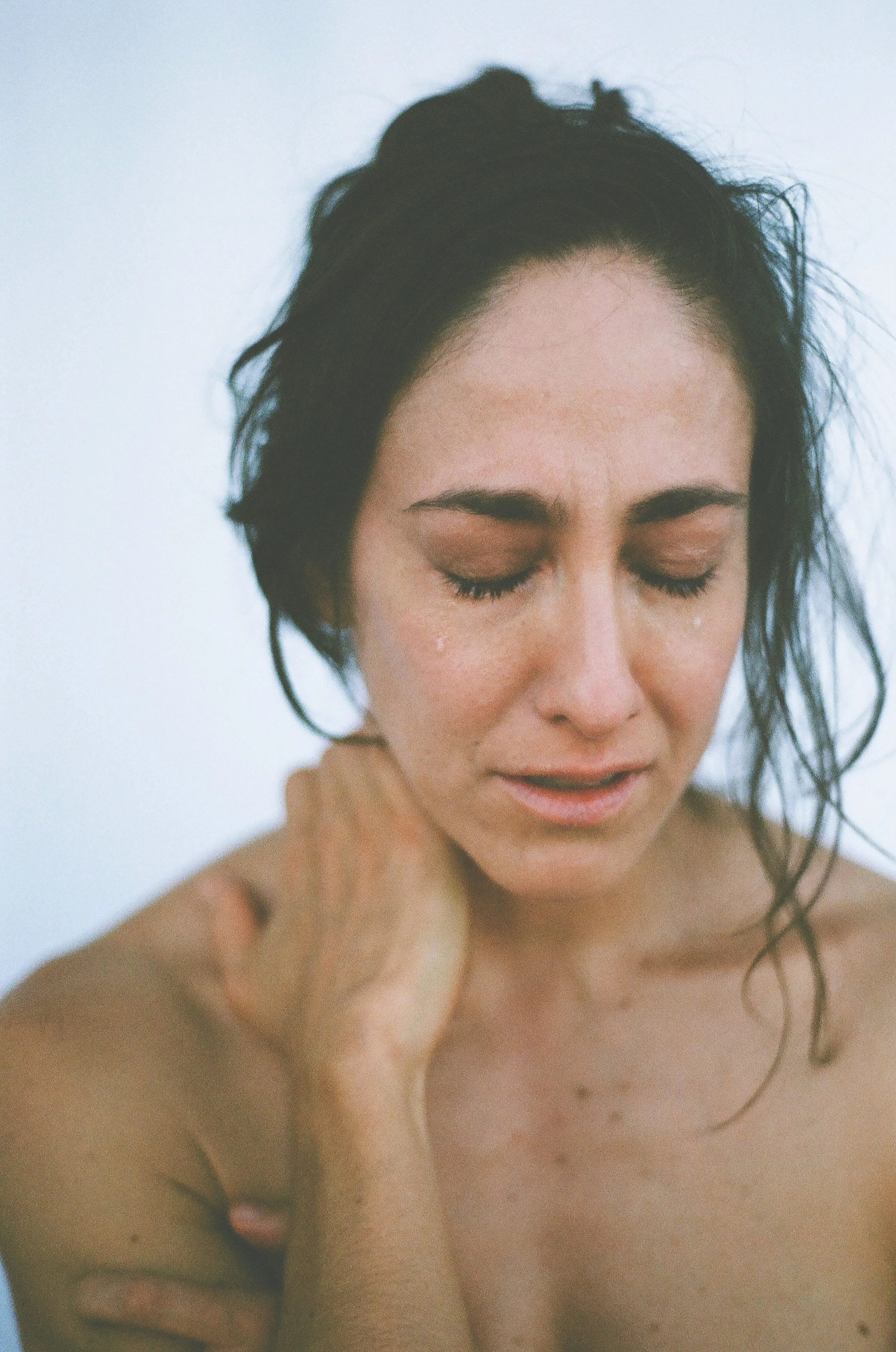
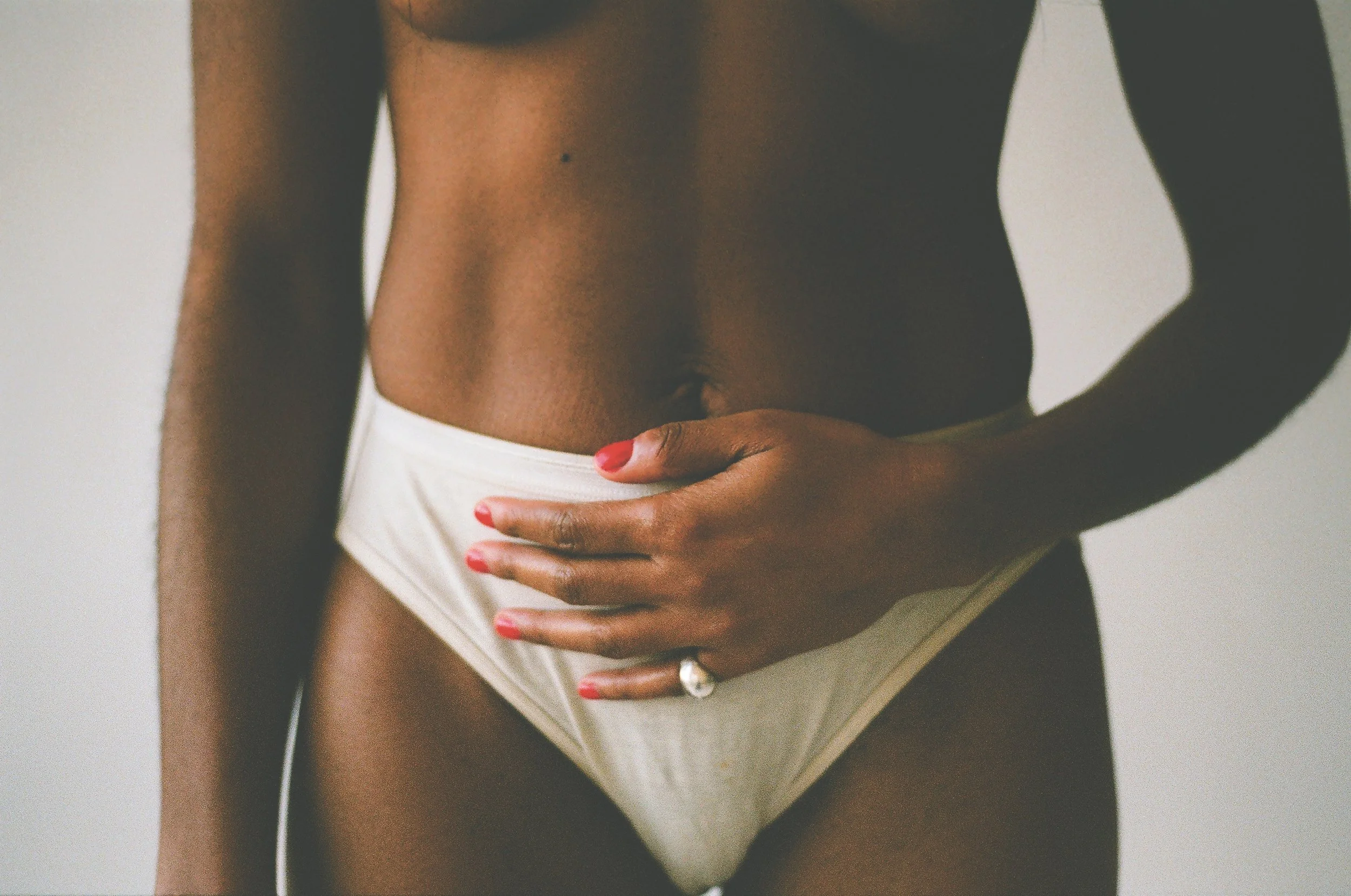
I never worked in a formal studio. Sometimes friends lent me galleries or workspaces. Eventually, I photographed women in my own garden against a white backdrop. It was improvised, but I wanted the women to feel safe and cared for.
We would talk for a long time before taking photos. Once the conversation opened up, the vulnerability followed naturally. Over the years, the conversations evolved too. At first they centered around birth stories, then postpartum depression, relationships, single motherhood, toddlers, exhaustion, identity.
The project became a gift for me and for the women involved. We all felt less alone. Loneliness is such a common thread in motherhood, whether you have a partner or not.
It feels incredibly brave, both for the women being photographed and for you as the photographer.
I think shooting on analog film helped. It wasn’t this overwhelming digital process with hundreds of images being taken. It was slower and more intentional.
I guided the women emotionally too. I’d ask them to think about their children, their births, their partners. Sometimes emotions surfaced unexpectedly. One woman started crying the moment I raised the camera. She couldn’t stop. Another had recently experienced a miscarriage.
About 80% of the women in the book are single mothers, which is something I deeply understand because I was raised by a single mother myself.
My midwife is also in the book. She adopted her child after being unable to have children biologically. Photographing her helped me realize the project wasn’t only about physical transformation, it was also about emotional transformation.
The book itself is beautiful. Was it printed in Oaxaca?
Yes. I worked with a graphic designer in Mexico City who became a close collaborator. Interestingly, when we first spoke, she told me her father had just passed away. We bonded immediately over grief and took our time making the book.
Eventually we printed it in Oaxaca with a local printer I’d admired for years.
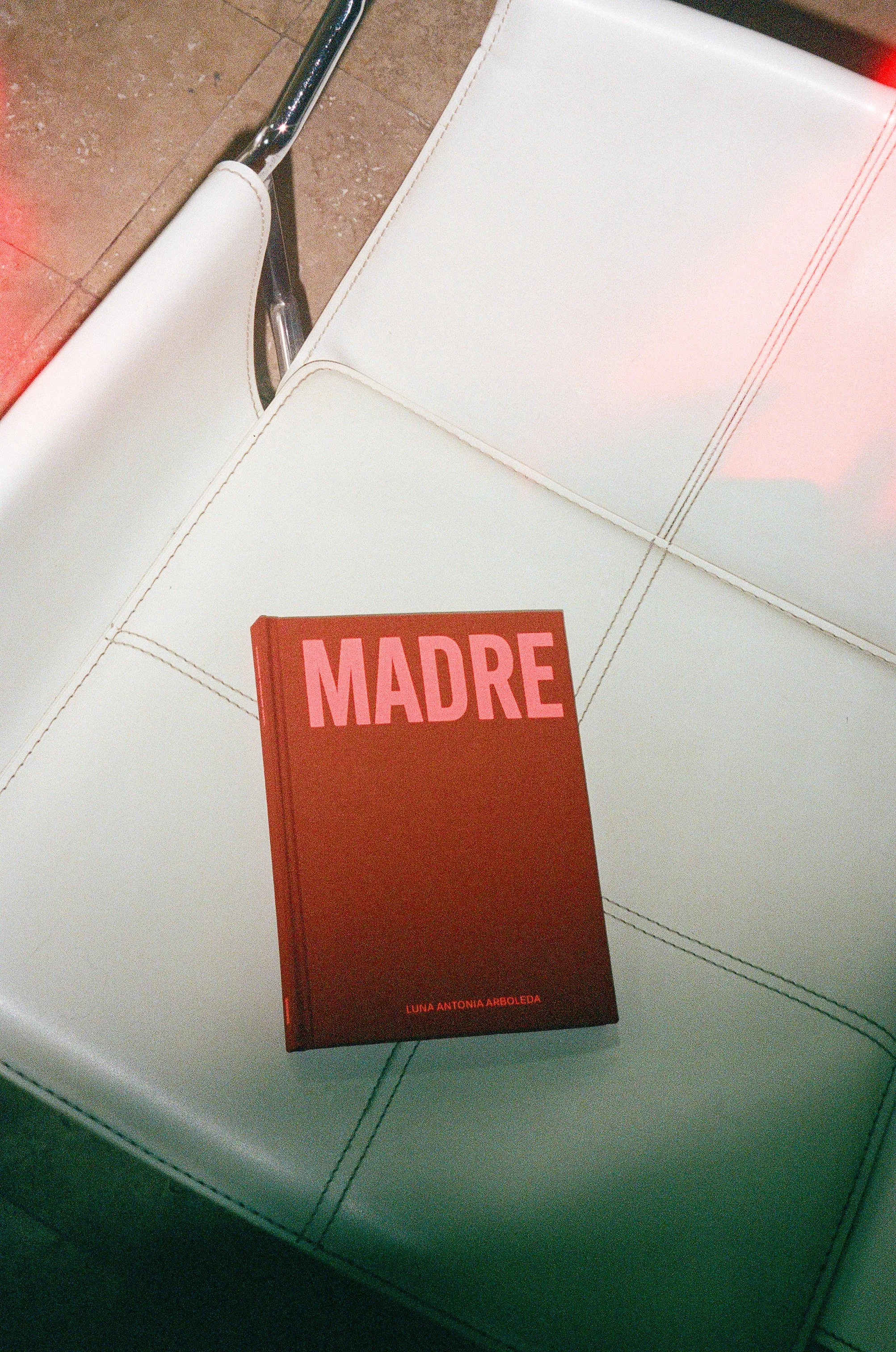
I’m very tactile. I love holding books, touching paper, and making physical objects. That mattered to me. We also included deeply personal texts from the women alongside the photographs, in both Spanish and English.
How long did it take to create this project from start to finish?
I started photographing when Lías was six months old and finished the book shortly after he turned four. The entire process lasted almost four years. At first, I never intended for it to become a book. It was simply something that kept me connected and creatively alive during a difficult period of my life.
Ironically, Instagram’s censorship rules ended up protecting the project. Because I couldn’t publish the nude photographs online, I realized they needed to exist in print instead.
We printed only 300 copies, and there are around 50 left.
What was the launch like?
We had an opening in Oaxaca that turned into this incredible celebration—almost a rave. All the mothers came, many of the partners came, and it felt joyful and healing.
That was important to me. I didn’t want the work to feel tragic. Motherhood is difficult and lonely and painful, but it’s also full of connection, humor, beauty, and transformation.
As someone preparing for motherhood myself, I feel like it’s impossible to fully understand until you experience it.
Exactly. You can imagine motherhood based on your own upbringing or your relationship with your mother, but the reality is always different.
Motherhood teaches flexibility. You imagine one kind of birth, and something else happens. You imagine one version of yourself, and another emerges.
That uncertainty is part of the transformation.
I remember telling my therapist and my partner that no one who hasn’t gone through postpartum can truly understand it. The hormonal shifts, the emotional contradictions, the exhaustion, the overwhelming love. It’s impossible to explain logically.
What comes next for you?
I’m still letting this project settle. It only came out in October of 2025, so it still feels very new.
I know I want to continue working with women. I’m endlessly curious about women’s emotional worlds and experiences. I want to continue shooting on analog film and capturing raw emotion and movement.
I don’t know yet what the next project will be, but I’m excited to find out.
Add Madre to your personal collection.