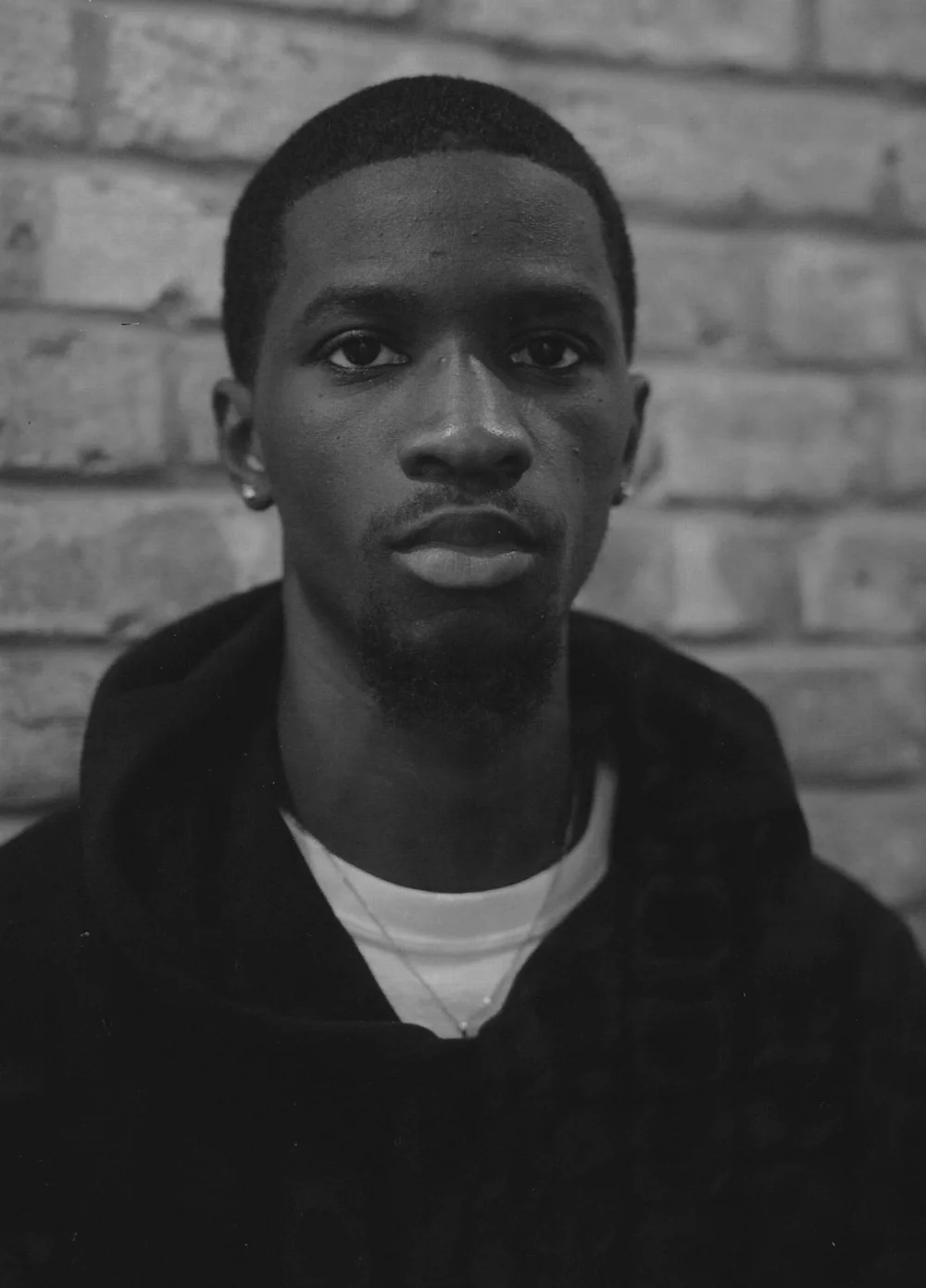
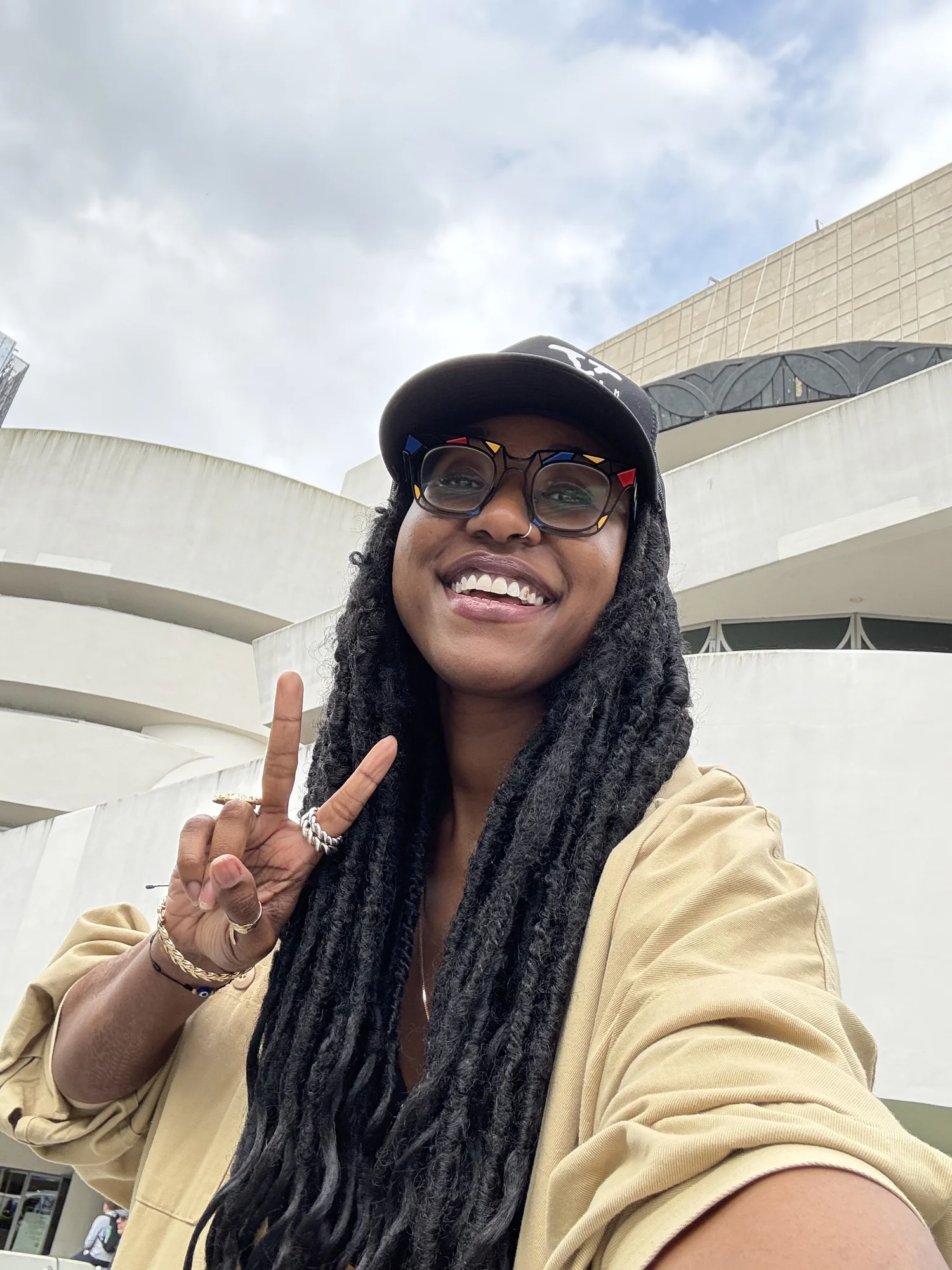
Whitney McGuire’s work lives in connecting the worlds of environmental justice, philanthropy, art, public health, and community care. As Founder and Managing Partner of The McGuire Group, she helps organizations establish new functions, navigate transitions, and turn strategy into programs with clear responsibilities and measurable results.
With a background in fashion law focused on the health of garment workers, she has co-founded Sustainable Brooklyn with environmental strategist Dominique Drakeford, taught systems thinking at Parsons, and developed a sustainability strategy for the Guggenheim. Her consulting work with the likes of Christie’s and the Getty has brought profound perspective to questions of cultural change, environmental responsibility, and disaster preparedness.
Through her newsletter, Conditions, Whitney explores grief literacy: how we recognize loss, live with it, and support one another through it. Her writing connects the climate crisis to personal experiences of heartbreak, changing identities, and the futures that don't and will never get to unfold because of the climate crises and systemic racism. Her “grief homework,” offers practical exercises that encourage readers to identify what they’re grieving and build support within their communities.
I spoke with Whitney about the relationship between personal and collective loss, the grief that can hide behind productivity, and how a shared practice of grieving can create room for care, action, and joy.
“I understand the climate crisis as a form of perpetual grief. I also feel that way about being a Black woman in America. ”
Can you introduce yourself and share a little about where you come from?
I’m Whitney McGuire, Esquire. I’m a sustainability strategist, interdisciplinary designer, artist, thinker, and mother.
I’m from the west side of Dayton, Ohio, so I’ve always been aware of the environmental impacts of disinvestment and redlining, and the ways certain communities are considered discardable. That has always been a chip on my shoulder.
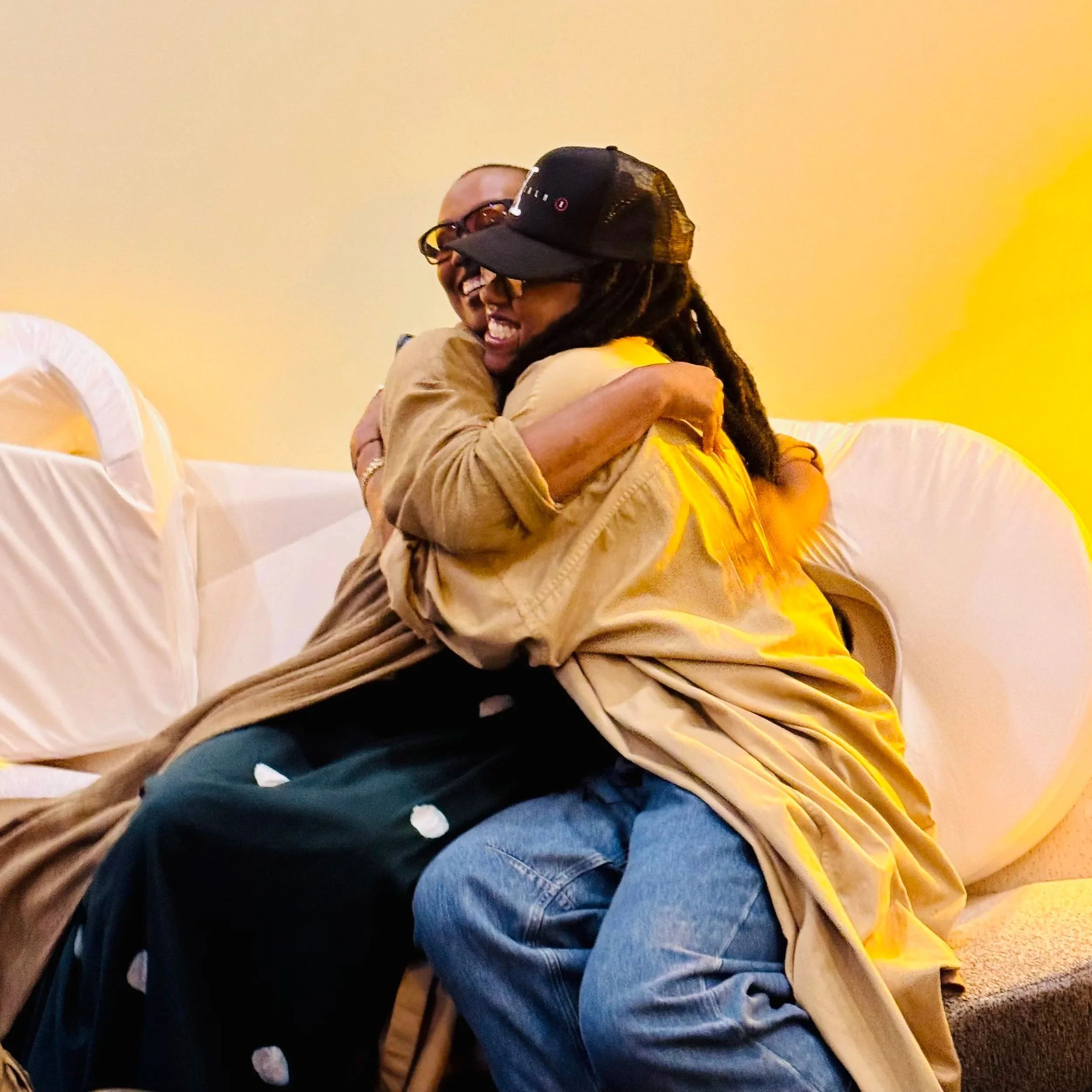
I went to boarding school for high school and saw the juxtaposition between environments. I realized it was possible for people to live in healthy conditions and breathe clean air. When I got to college, I still didn’t have the vocabulary to attach to my aspirations, but I knew that somewhere in what I was grappling with was injustice. I focused on advocacy work, and a couple of years after graduating, I went to law school.
I hated law school, but one of my professors suggested I focus on fashion law. It was a new field, and I made it my concentration. For the next few years, I worked with Howard University School of Law students to produce Fashion Law Week. We were grappling with intellectual property and environmental issues, but also how fashion was impacting labor and the health of workers.
Everything ties back to anti-Blackness for me, along with misogyny and patriarchy. I started writing and focusing on making those connections. Through practicing law, scholarship, working in the field, and eventually starting Sustainable Brooklyn with my co-founder Dominique Drakeford, I was able to explore how waste is directly connected to systems of extraction. One expression of that is the fast fashion industry. Another is the experience of being Black in America. They’re all connected.
Environmental data and statistics don’t always feel connected to our daily lives, but there are impacts on our emotional health and relationships. There is grief there.
One of the ways I connect environmental issues to social issues is through learning about Indigenous concepts and wisdom. Birth and death are facts of life. Everyone experiences death, and yet it’s almost taboo to discuss it. People who’re navigating grief openly may be relegated to certain spaces, like support groups or conversations within the family. But when it comes to the larger conversation about collectively experiencing grief, I think a lot of that vocabulary and literacy is missing.
I understand the climate crisis as a form of perpetual grief. I also feel that way about being a Black woman in America. There are so many things we were promised that we have to accept will never happen. There are things that used to exist that we have to accept have died. When we talk about the climate crisis, we can look at species and ecosystems. When we look at the trajectory of our society, the curtain has been pulled back on a lot of things we were promised. We’re seeing the impacts of systemic neglect in real time. All of that culminates in grief for me.
I started digging into this more around 2020. I lost 11 family members, and I saw how the environmental issues they were already navigating had impacted their health and made them more vulnerable to the pandemic. The pandemic was handled very poorly. You were watching who was being prioritized and whose lives actually mattered, with state-sanctioned violence and ecosystem destruction layered on top. It was a perfect storm. That’s when I started thinking about grief literacy as a climate crisis intervention.

And it’s not just your work, it’s personal. How did this become a personal practice for you?
My work is only real because it starts with me. I was able to put this into context while going through one of the hardest heartbreaks I’ve ever navigated, two years ago. That started my journey of teaching grief literacy as a climate crisis intervention.
I started a newsletter to write about what I was experiencing. I began to understand my grief as a kind of withdrawal. I had to admit that I was addicted to certain behavior patterns that gave me dopamine rushes. When those crashes happened, I was seeking more dopamine hits through shopping or seeking love from lovers who probably weren’t worthy of my time.
That’s very real. A lot of us are trying to leave social media and get our lives back from the machines. When you take away the distraction, there’s that feeling of, “Okay, what now?” You might realize there are things in your life you need to work on.
As we’ve been researching Issue No. 9, I’ve learned so much about the way grief shows up through people sharing their stories, and through different cultural practices. It’s complicated.
Everyone experiences it. Everyone is navigating it. It’s a reality of life, just like birth and death. And sadness is part of grief, but it’s not the only hallmark emotion of grief. We see other sides of it in collective grief practices, like funeral processions in New Orleans. When I was in Ghana, I went to funerals where the celebration of death was prominent. I thought, “Oh, wait. This doesn’t have to be a torturous thing.”
For me, I need to work through the shock of death in order to accept it and move toward joy. I’m joy-focused, but I don’t think joy is legit if we haven’t dealt with the grief. Sort of like how addiction support is approached and how we might approach grief in a practical way: community, accountability, acknowledging where an addiction comes from, what you’re attached to, and the process of withdrawal.
That’s the lens I started writing through, and it has evolved to include other people’s stories of grief, from careers and family to loved ones and different versions of themselves. The people I highlight in my newsletter are climate practitioners, in the arts and culture sector and beyond. Hearing how people working within the climate movement face grief can help others feel like, “Okay, there is something I can do here.”
I don’t just have to swim in this pool with nowhere to go. There are reasons to process grief, and there’s another side we can get to collectively.
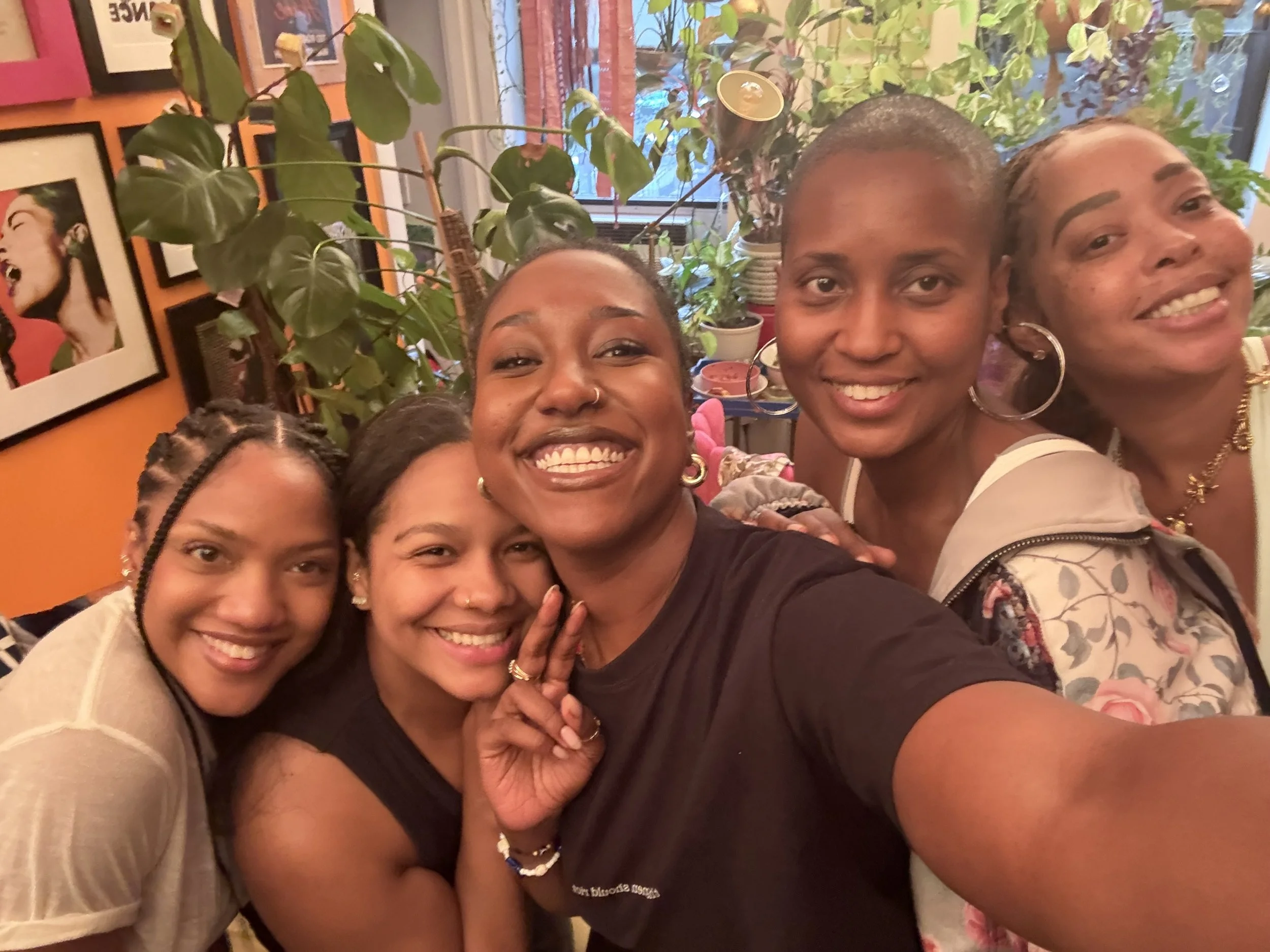
One of those possibilities is that grief pushes you to help others. I created Womanly because I was grieving the loss of opportunity and life caused by a health care system that continuously fails my family and Black women. I was constantly angry, and anger is a huge part of grief. I didn’t know where to place it. I almost lost my fertility because of neglect within the health care system. I think grief can push you to action, and that’s one of the most beautiful parts of it.
In your newsletter, you mention “grief audit homework.” What is that?
Every month, I try to give readers something to do for themselves when it comes to grief. It’s one thing to read about it. It’s another thing to practice it, and I’m a practice type of bitch. Let’s put the theory into action. Otherwise, what are we doing?
I ask people to identify one thing in their life they may be addicted to, identify where that sits in their body, and identify one or two people in their community they can communicate this grief to. What does a grief circle look like within your own community? If you’re trying to break your addiction to convenience, what would it look like to set up a meal-sharing system in your neighborhood?
As a single mother grieving the loss of the partnership I thought I would have in raising my child, what would it look like to organize a network of single mothers so we could support each other? It’s using grief as the focal point of how you organize. Everyone has the potential to be an organizer. We may not all fulfill every role that organizing needs, but everyone has a role to play. Because everyone experiences grief, I think it’s an equalizer. It’s somewhere we can begin to take action. That’s essentially what the grief audit homework is.
In your newsletter you said, “I cried for two hours and then slept for the first time in months. I think I’ve been grieving my entire adult life and calling it productivity.” Can you share more about that?
A lot of people approach grief as something to overcome. You experience it, and then you’re expected to get over it at some point. But for me, I don’t see that being possible. I think grief is something we have to live with, the same way we have a body, the same way we have nature and trees. It’s a constant.
My trauma response to what I couldn’t name before, which was grief, was to be hyperproductive. That was how I was taught to value myself. That was how I was taught society would value me. There’s also this idea of linear time and time running out. To me, that’s a fallacy, but it’s ingrained in our culture around output and what we contribute to society.
I had to reframe that. If I’m talking about sustainability, that requires slowing down. It requires thinking differently about the systems we navigate and my role within them.
The best work happens when I’m rested, when my nervous system is taken care of. I wouldn’t say “regulated,” because it fluctuates. But when I know how to take care of my nervous system, when I’m producing from a place of deep benevolence, and when I’m not attaching my self-worth to what I produce, that’s when I do my best work.
Identifying what grief looks like, how it has transformed me, and how I’ve worked with it has helped me show up the way I want to in the world. That’s my 40-year-old self. It could change next year, but this is who I am today.
I love that you give it room to change. Grief shows up differently for everyone, across cultures and time. It’s about giving people room to explore what they need, on their own or within their community. Those circles of single mothers you mentioned are a form of collective grieving.
Sometimes naming what you’re experiencing is important. You can feel like you’re going mad when you’re actually experiencing something very natural. Having someone say, “What you’re experiencing is valid and real, and there are ways to feel supported,” can make a difference.
Yes. The heart of all the work I do, and all the ways I show up for people and the planet, especially Black people, stems from grief. I’m always focused on turning the impacts of grief into action that feels good, is good, and does good.
This interview has been edited for length and clarity.