

Vivian Shih’s passion for art runs through her maternal bloodline. With her mother’s encouragement, she found art as a child and used it to find herself and a career path forward.
In 2013, she earned her BFA in Illustration from Art Center College of Design in Pasadena, California. From there she went on to become an art director at an agency in Los Angeles, and now she’s on the East Coast as a Brooklyn-based tattoo artist and illustrator.
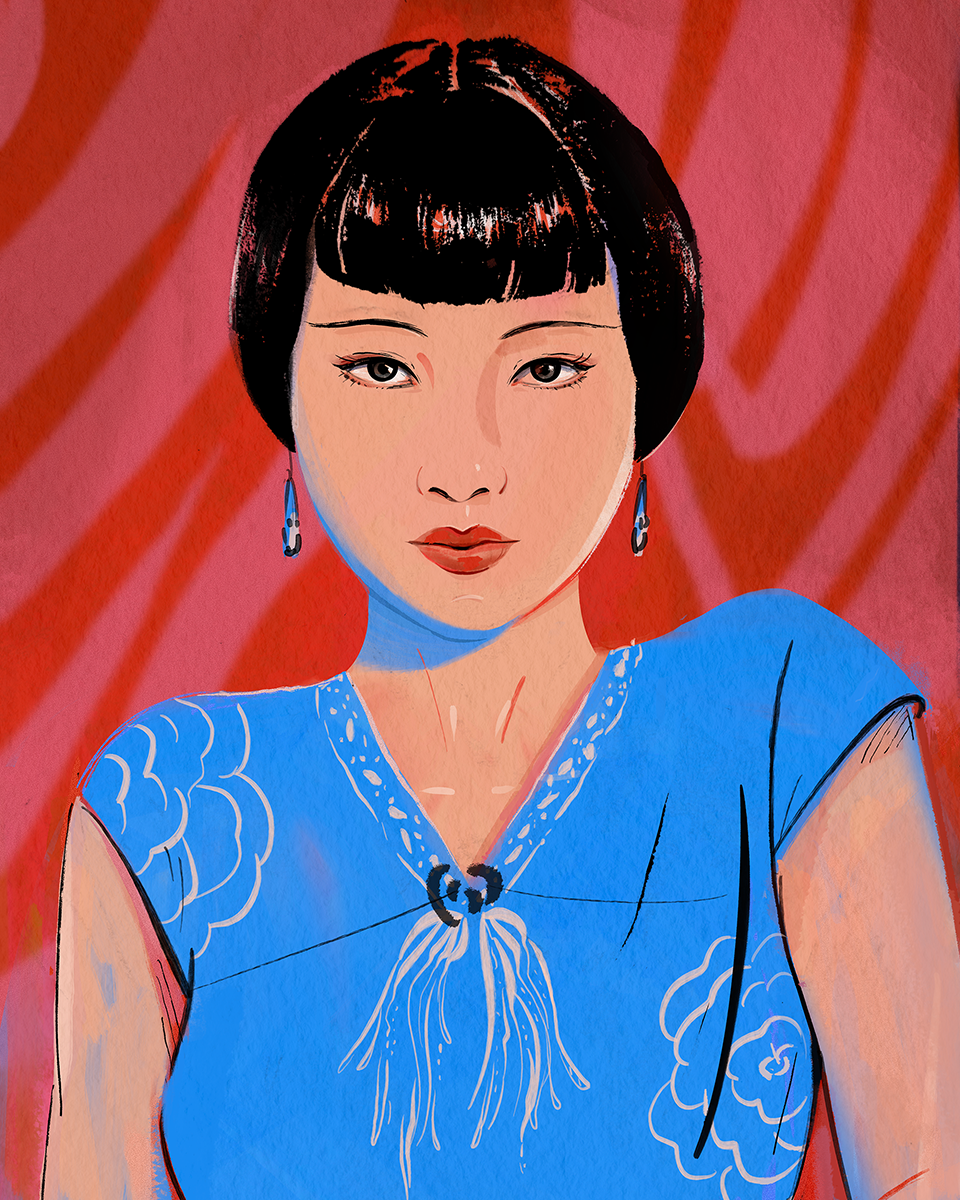
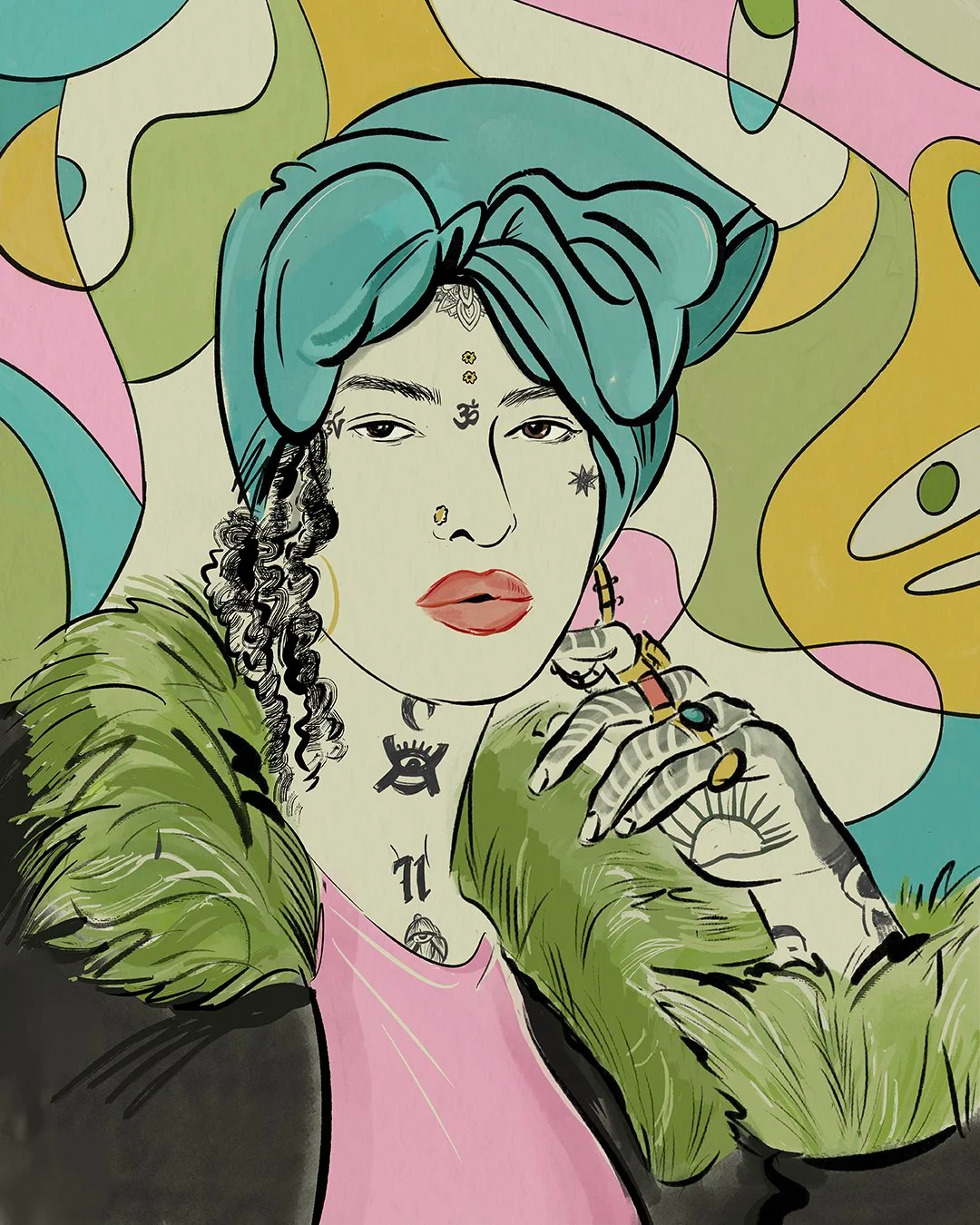
As an illustrator, Vivian is a heavy-hitter, tapped by major brands like Amazon to honor Lizzo and her Big Grrrl dancers and by Focus Features to create a portrait of Harriet Tubman for the launch of the film Harriet. And it’s not hard to see why she’s booked and busy. Her illustrative work, in particular, is bright, eye-catching, and begs you to buy what she’s selling.
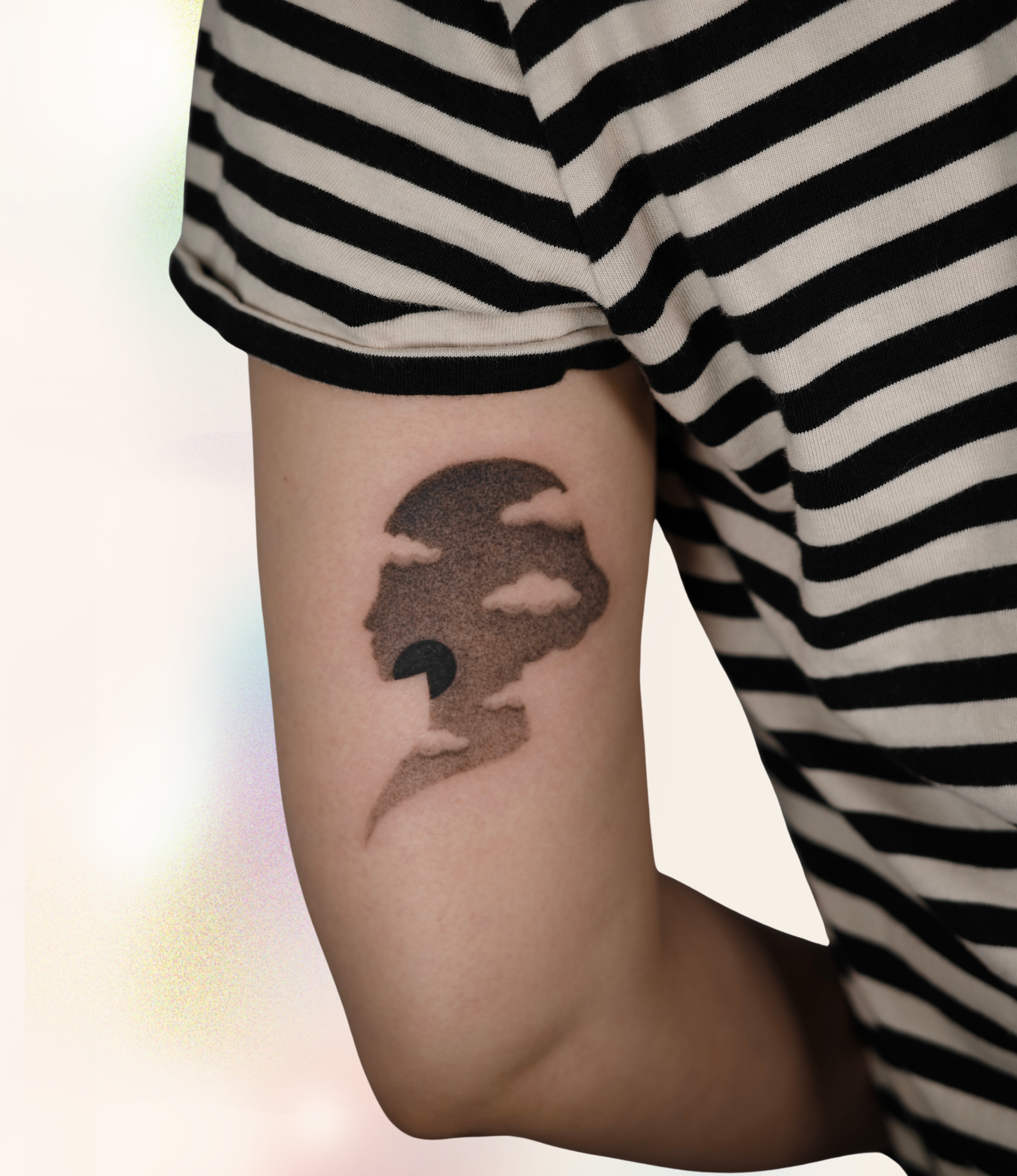
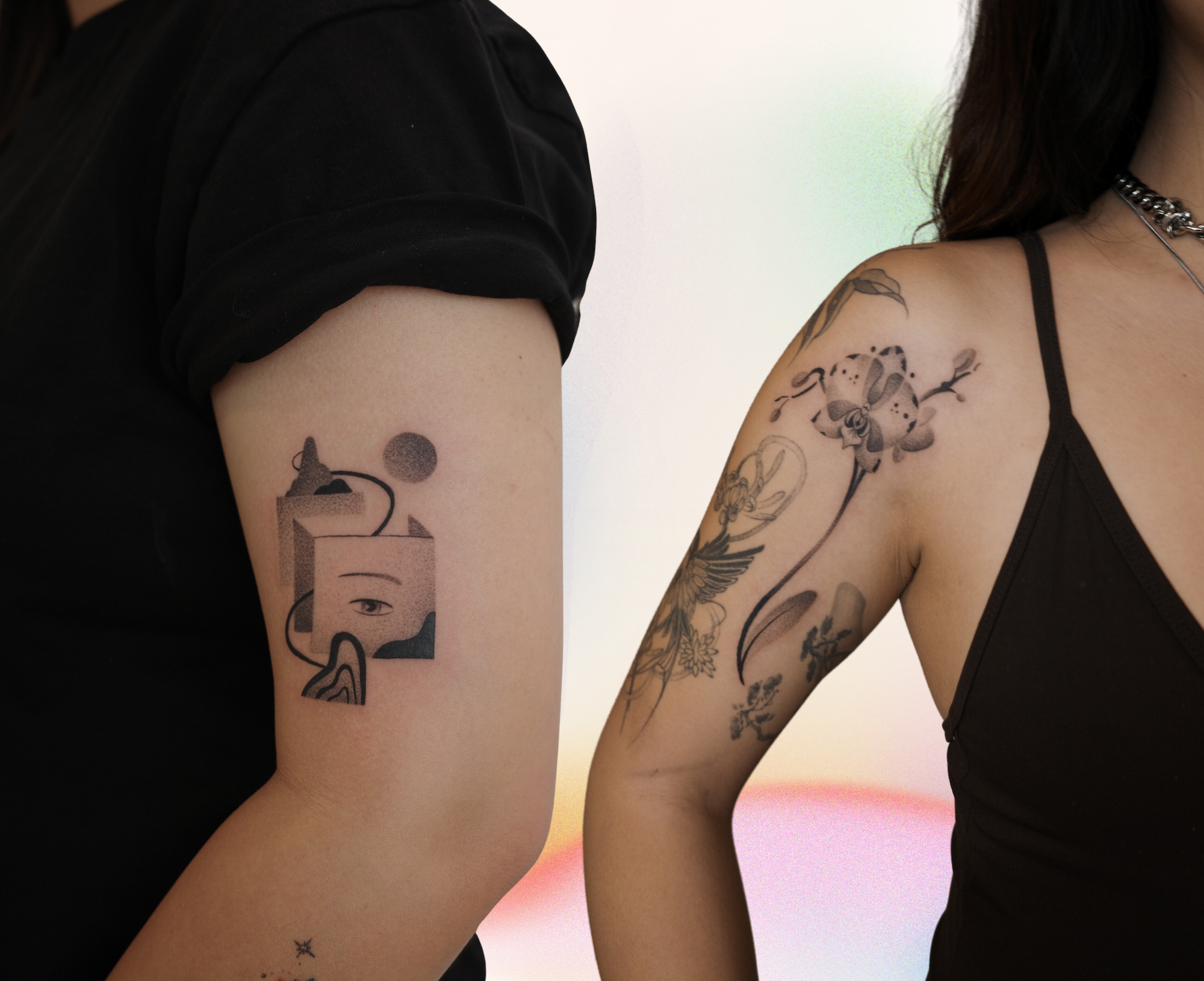
When she isn’t working on design and illustration, she’s creating tattoos under the name Ginseng Ink, practicing out of Maison Mono—a spacious, light-filled gallery, cafe, and studio in Greenpoint. Although she sometimes travels around the country to keep her books full, Maison Mono is home base. It’s there she designs mysterious, honest, and otherworldly tattoos using shapes, shading, and depth of field to create stories and whimsical tales across the arms, legs, backs, and torsos of her customers.
As a recipient of her tattoo work, I wanted to learn more about this multi-talented, kind, and generous artist named Vivian Shih. In our conversation, Vivian opened up about her creative path from being a shy kid to excelling in design school, leaving the corporate world behind to pursue creative freedom, and how she ultimately became an in-demand tattoo artist and illustrator in NYC.
“I was really shy and didn’t know how to talk about my feelings, so art became this sacred place where I could express myself. Art was the one thing I could turn to whenever I needed to let things out.”
Attia Taylor: Tell me about your journey. Did you always want to be an artist?
Vivian Shih: I’ve always drawn and painted. My mom loves art, so she put me in classes when I was a kid—doing chinese brush painting and [other Chinese art forms]. But it wasn’t until my last few years of high school that I realized how much art meant to me. I was really shy and didn’t know how to talk about my feelings, so art became this sacred place where I could express myself. Art was the one thing I could turn to whenever I needed to let things out.
By the time I was 17, I knew I wanted to pursue something creative. I didn’t know exactly what, but I wanted to draw or paint. I applied to colleges and ended up at Art Center in Pasadena, studying illustration.
Was your family supportive of your choice to study art?
My mom always dabbled in creative things. Chinese painting, brush painting, photography. She’s such a creative spirit but never got to pursue it, so she encouraged me to explore art in general. My dad was [different]. I think it was being immigrants, they’re like, you just need to find a job where you can make money. He was really worried for me. But I pushed for it. I told him, I’m either going to college to study [art], or I’m not going to college at all. This was the only thing I wanted to do.
You lived in LA for some time after college. What made you move to New York?
I just wasn't feeling LA as a city even though everyone I love is there. I was working full-time as an art director at an agency and freelancing on the side. I think as an illustrator I wanted to be in New York because the illustration industry was strongly based in New York. Eventually, I used that experience to get a job in New York and finally made the move in 2019.
What made you pivot to tattooing?
It was just really hard to make a living as an illustrator full-time. I also used to paint and draw everything by hand. And it just took so much time. I would spend a couple days on something that would pay like $300 and I was just like, I just can't survive off of this.
So that's why I started working in design. During COVID, everything shifted. I was working remotely, long hours, and the job became less creative as I moved up. I missed being hands-on. I started asking friends who tattooed about their experiences and decided to give it a try.
I made a plan: save money, build a tattoo portfolio, and quit my job. So, I made this plan to leave my job. I gave myself like a year and I was like, I'm going to keep freelancing. I'm going to pick up more freelance jobs so that once I leave, I can still make income and build up my tattoo portfolio. I eventually got an apprenticeship at Fleur Noire, and that’s where I really learned the craft.
Is that how most people get into being tattoo artists—doing apprenticeships? Or is there a tattoo school?
I don't know if I trust [schools] so much. They cost a lot of money and I liked the apprenticeship. It's kind of the classic way to do it. Having someone teach you and having a mentor. I was really blessed to have this woman be my mentor who was really great. She was not trying to make me mop floors, but actually wanting me to get better at my tattooing skills. Some people go into it just self-taught, but I like structure, so I wanted something more like that.
“When I started tattooing, I had to put all ego aside and just be really bad. It was humbling and freeing at the same time.”
Do you remember your first tattoo on another person?
Yeah! I did a couple on my friends before my apprenticeship. They were not good. I remember learning so much just from those first two.
You have nice friends.
They were so down! It's so funny because they were just like scribbles, you know? I couldn't hold a steady hand. The first person I went too light, it barely stuck. The second person I went too deep. It’s such a learning curve. But now, 3 years in, I feel confident. There’s always more to learn, though. With any creative practice, you’re always learning. There’s always something to get better at. When I started tattooing, I had to put all ego aside and just be really bad. It was humbling and freeing at the same time.
You travel often for work. Is that part of the tattoo world?
Yeah, kind of. I love traveling, but it’s also about keeping work steady. The tattoo industry, especially in New York, is very saturated right now. When things slow down here, I’ll travel to other cities to keep up with clients. It’s different from five years ago when artists were booked months in advance. It’s tough in New York right now. Oversaturation and a tough economy mean people aren’t spending the same way.
The tattoo world has a reputation for being male-dominated. Is that still true?
It’s changing. And it's different depending on where you are. I think in cities it's different. I know a lot of women artists and artists of color which is really nice to see. I think in general it’s still very male-dominated but I'm blessed to be in New York where it doesn't feel like that.
But I know it’s not like that everywhere. I feel safe surrounded by women artists. I know that’s not everyone’s reality, but it’s powerful to experience.
Are there any tattoo artists who inspire you?
There’s a shop in Beijing with artists whose work I adore. They take traditional Asian painting styles and make them contemporary, with incredible layering and precision. I also love learning from artists with styles completely different from mine. We can always teach each other something. I’ll always be learning. I’ll always be creating. That’s the constant.
Tattoo artists that inspire me are Jiyu H. and chenjie. Artists that inspire my work include Magritte, Nicholas Party, James Jean and Isamu Noguchi.


