
Understanding Caregiving and Ways to Manage Caregiver Stress
Need to Know
Issue No. 3: Words from the Wise
WORDS - DIANA MCDONNELL, DNP
ILLUSTRATION - Centre for Ageing Better
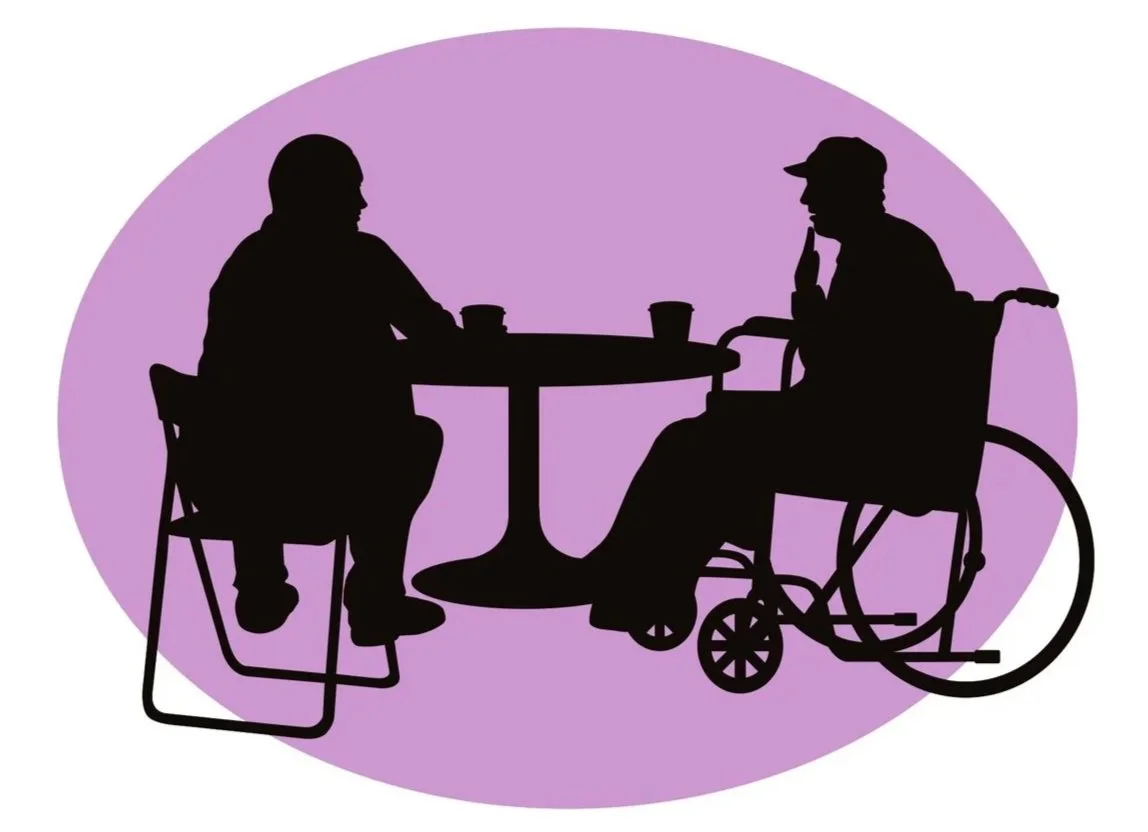
Who is considered a caregiver?
A person who provides unpaid care in response to functional impairment or chronic illness of a family member, friend, or neighbor, is often referred to as a caregiver. Caregiver strain and stress refers to the physical, emotional, and financial strain that the role of caregiving can take on a person. Often, caregivers are those who step up naturally to take care of a family member or friend.
What do caregivers typically do?
Caregiving activities include:
Assistance with day-to-day activities
Helping with management of illness
Acting as a patient advocate
Accompanying someone to their health care appointments
What are the downsides of caregiving?
Caregivers are less likely to seek or access medical care for themselves. The demands of caregiving can lead to:
Isolation
Stress
Increased risk of anxiety and depression
Burnout
How does caregiving impact women’s careers and employment?
Women provide the majority of caregiving, often on top of their paid work or profession. Estimates indicate that about 20% of all female workers in the United States are also family caregivers. Sometimes this leads to passing up a job promotion, switching to part-time, quitting, taking a leave, or retiring early.
What unique challenges do LGBTQ+ caregivers face?
Many LGBTQ+ elders may have already been caregivers during the AIDS crisis. LGBTQ+ individuals often become caregivers for their partners or friends, not just their aging parents. LGBTQ+ caregivers are more likely to be caring in isolation, and to be within the same age group as the person they’re caring for. Caregivers can experience poorer mental and physical health than non-caregivers, exacerbating the health disparities that LGBTQ+ people already experience.
Caregiver Tips: How to Reduce Stress and Support Your Well-Being
Understanding your loved one’s disease can help you recognize expected symptoms, pain, behavior, and plan accordingly.
Pay attention to any symptoms you have, like anxiety or depression, and seek help when necessary.
Leaning on your personal support networks is very important and connecting with local caregiver-specific communities can foster discussion with people who understand your experience.
Maintain your personal time. Eating, exercising, and sleeping regularly can help you conserve your mental and physical well-being.


