
Hypertension (High Blood Pressure) Explained: Causes, Symptoms, Risks, and Prevention
need to know
Issue no. 2: matters of the heart
Illustration - Singha Hon
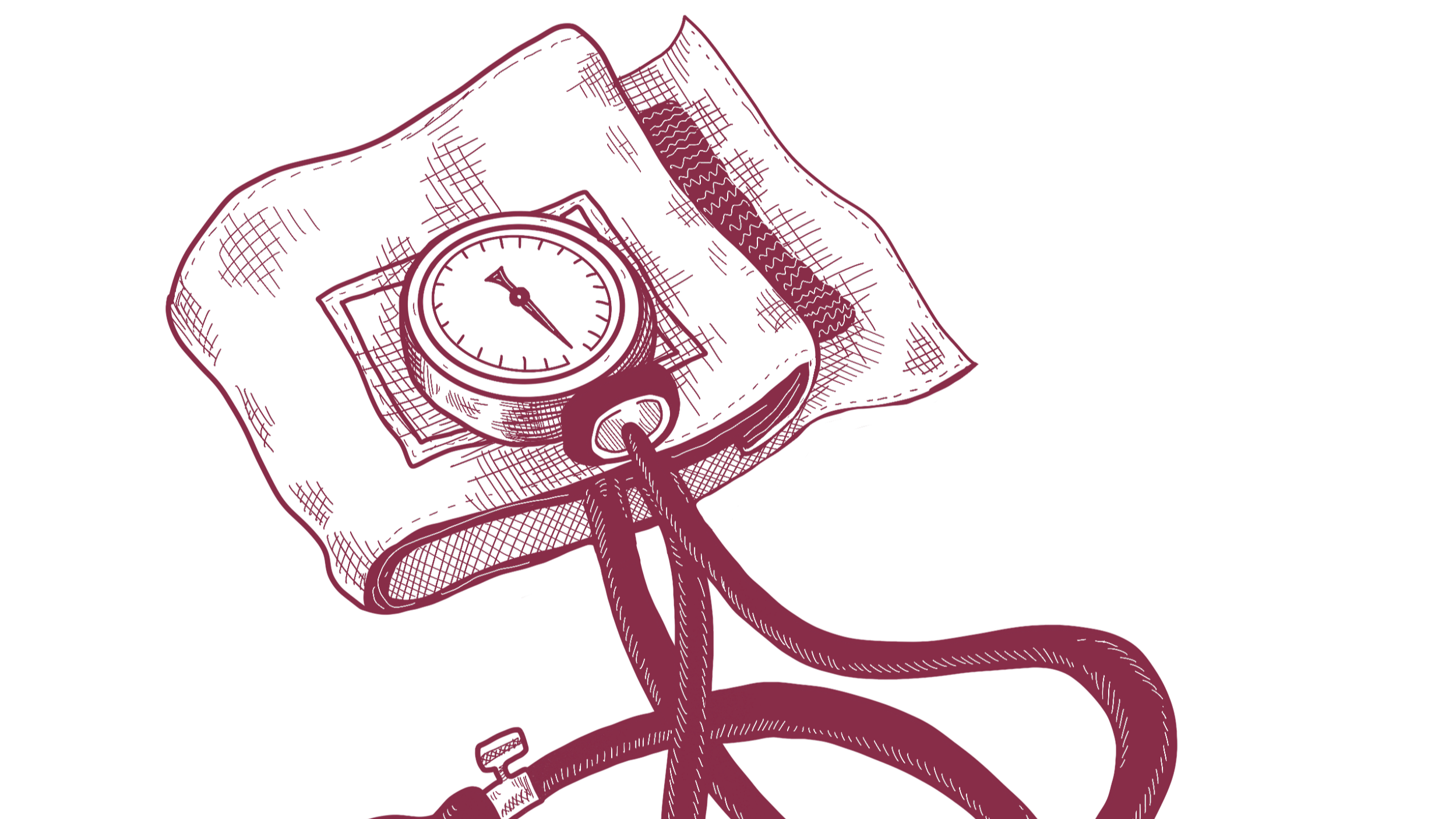
What Is hypertension (high blood pressure)?
Hypertension, or high blood pressure, occurs when pressure in your arteries is too high.
What are the signs and symptoms of high blood pressure?
Most of the time, there are no symptoms of hypertension, even if it’s really high. However, some examples of symptoms that you may experience are:
headaches
shortness of breath
heart palpitations
High blood pressure is concerning even if you’re not having any symptoms. If your blood pressure is uncontrolled over a long period of time, it can lead to many other serious medical issues such as heart disease, stroke, and chronic kidney disease or failure.
What causes hypertension?
Hypertension is a multifactorial disease, meaning it’s not caused by one thing alone; genetics, lifestyle, and environment all contribute to risks and manifestations of the disease. Certain personal factors can influence your risk for hypertension, such as age, race, gender, and family history.
There are many other modifiable factors or ways to lower your blood pressure like:
quitting smoking or tobacco use
reducing your salt intake
exercising often
limiting how much alcohol you drink
limiting the amount of stress in your life.
Hypertension itself is considered a modifiable risk factor for other diseases. It’s considered the most modifiable risk factor for all mortality, after cigarette smoking. This means that if you can maintain a healthy blood pressure, you can prevent many other dangerous health concerns.