

Note: Womanly may receive a small commission from links clicked on this page. Rest assured, we only share products we love and trust.
2025 was a year marked by growing economic instability for many in the U.S., with cross-industry layoffs, federal budget cuts, and consistently rising grocery and housing costs placing a particular strain on American families. As with most impending national crises, trends displayed amongst the most vulnerable demographics often appear earlier and more intensely than within communities of different identities. Black women in particular faced the most pronounced growth in unemployment rates, hovering 6% in July, roughly twice the rate of White workers (The 19th). Participating more in the labor force than any other group of women and existing as the most likely to serve in professional capacities offering critical services (health care, education, federal government, etc.), it’s no surprise that this phenomenon has triggered concern among economists about what’s to come for the rest of the country.
The long-lasting impacts of this have trickled into every sector and forcibly reframed the way that Black women approach business, as traditional methods of employment, collaboration, and funding are no longer sustainably reliable, most notably on the heels of the unfulfilled promises of the Racial Reckoning of 2020 (NPR). While in some ways viewed as unstable, this is a common course of events for periods of economic peril. Often referred to as the “gig economy,” these instances of mass exodus from conventional long-term positions to freelance or self-employed labor, whether by force or choice, have historically followed times of economic instability in the United States. First formally popularized following the 2007 recession, but especially acknowledged in the years following COVID, the bubbling of entrepreneurship, freelance work, or self-employed labor as a method of gaining autonomy and control over one’s economic status and access to work is no new occurrence. What makes this current iteration particularly interesting is the position it leaves the victims (or victors) of the last round. Black-owned businesses experienced a historic surge after 2020, with Black women emerging as the fastest-growing entrepreneur demographic, and these businesses contributing $212 billion to the previously declining U.S. economy (Ebony). While this is true, the same businesses that created a pathway to financial stability for Black women have landed them in similar positions, with the impacts of increased tariffs and decreased DEI initiatives plummeting product sales and shelf space accessible to them.
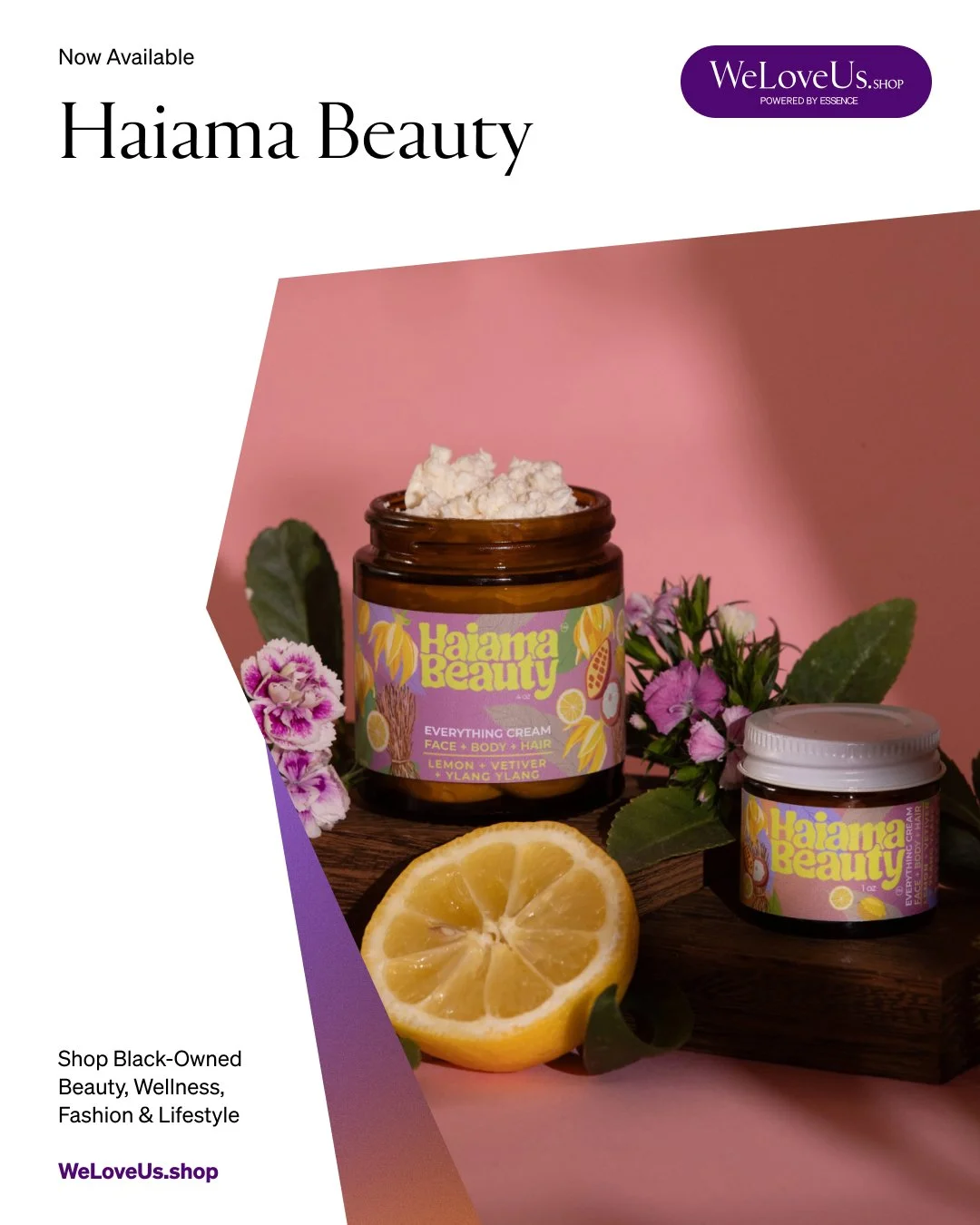
Legacy media company, ESSENCE, has stepped in to at least partially fill that void with the creation of ‘We Love Us’, a marketplace featuring editorially curated drops of Black-owned brands and products across beauty, wellness, home, and lifestyle. Enabling bi-weekly payouts, transparent commissions, operational support, and developmental business training for featured brand owners, the marketplace is described as mission-first and aims to provide a buffer for the early-stage brands most impacted by the current financial crisis. With many of its featured brands being founded either during or shortly after COVID lockdowns, the marketplace has served as a counter to the stalling in sales that many brands have experienced through the introduction of these products to a more expansive audience. When asked about the impact of ‘We Love Us’ on a pre-existing customer base, founder Allison Shimamoto of Haiama Beauty responded, “I think it’s more so that we’re able to find more of the customer type that [we] want to reach.” The marketplace encourages autonomy and self-determination with its laissez-faire approach, prioritizing the platforming and support of businesses [and owners] as opposed to restructuring. It guides them along a well-resourced pathway that they had already created by themselves. “We’ve been building this brand for about five years, and being able to be connected with [We Love Us] has really given brand trust that we can’t pay for,” gleaned Taylor Tankson of Tribe & Oak.
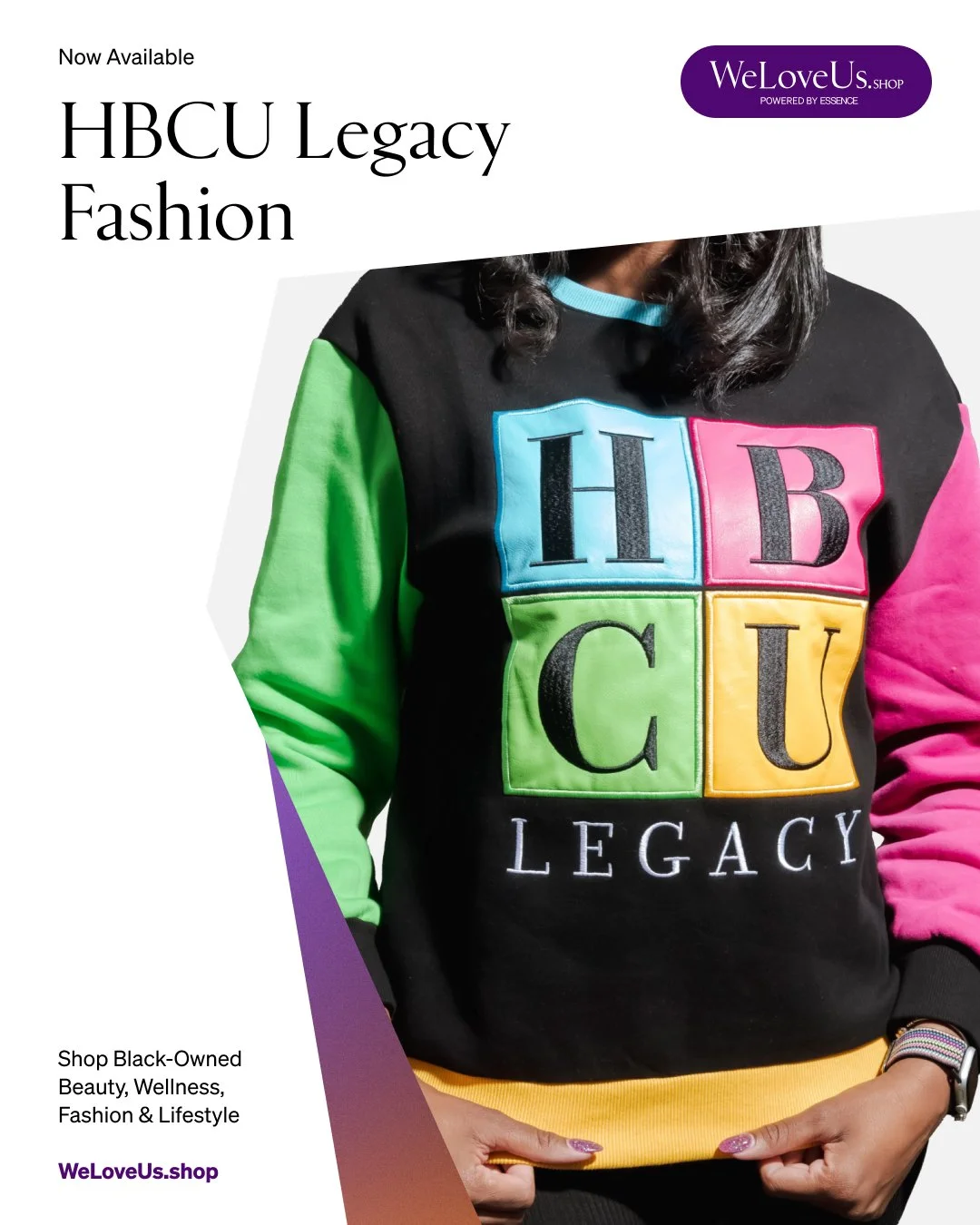
Cutting out the middleman has lessened the financial strain that many of the featured brands experienced in traditional partnerships with big-box department stores amidst a fluctuating consumer base. “It’s just perfect, and we don’t have to wait to get paid,” said HBCU Legacy Fashion founder, Cheylaina Fultz. “You get paid in the same amount of time you would with your own Shopify, and the newsletter has been very helpful… it drove a lot of traffic to our site, and the posts on social media have brought in more followers.”
We Love Us has followed in the legacy of ESSENCE, platforming intracommunal endeavors despite external circumstances and investing in the wellness of its creators. It contributes to a larger ecosystem aimed at building long-term economic infrastructure for Black women entrepreneurs. “It’s been great to be a part of the ESSENCE family. I think they do a good job of taking care of you as a founder. I feel seen and supported—it’s not like you’re just put on the platform and then nothing happens. Yes, there’s customer service, but it feels more genuine than that, that there’s a genuine desire for you to succeed and for people to find you and get their needs met as well.” (Allison Shimamoto)