

This fall, Womanly teamed up with New York City’s Commission on Racial Equity (CORE) to ask a simple but important question: What do New Yorkers really need to live well? Over 2 virtual workshops and 2 small in-person gatherings at the beloved Brooklyn boutique Marché Rue Dix, we created space for community members to speak openly about their health needs, daily challenges, and hopes for a city that truly supports their wellbeing. From the start, we prioritized Black and Brown women and non binary people, making sure the voices most impacted by inequity were centered.
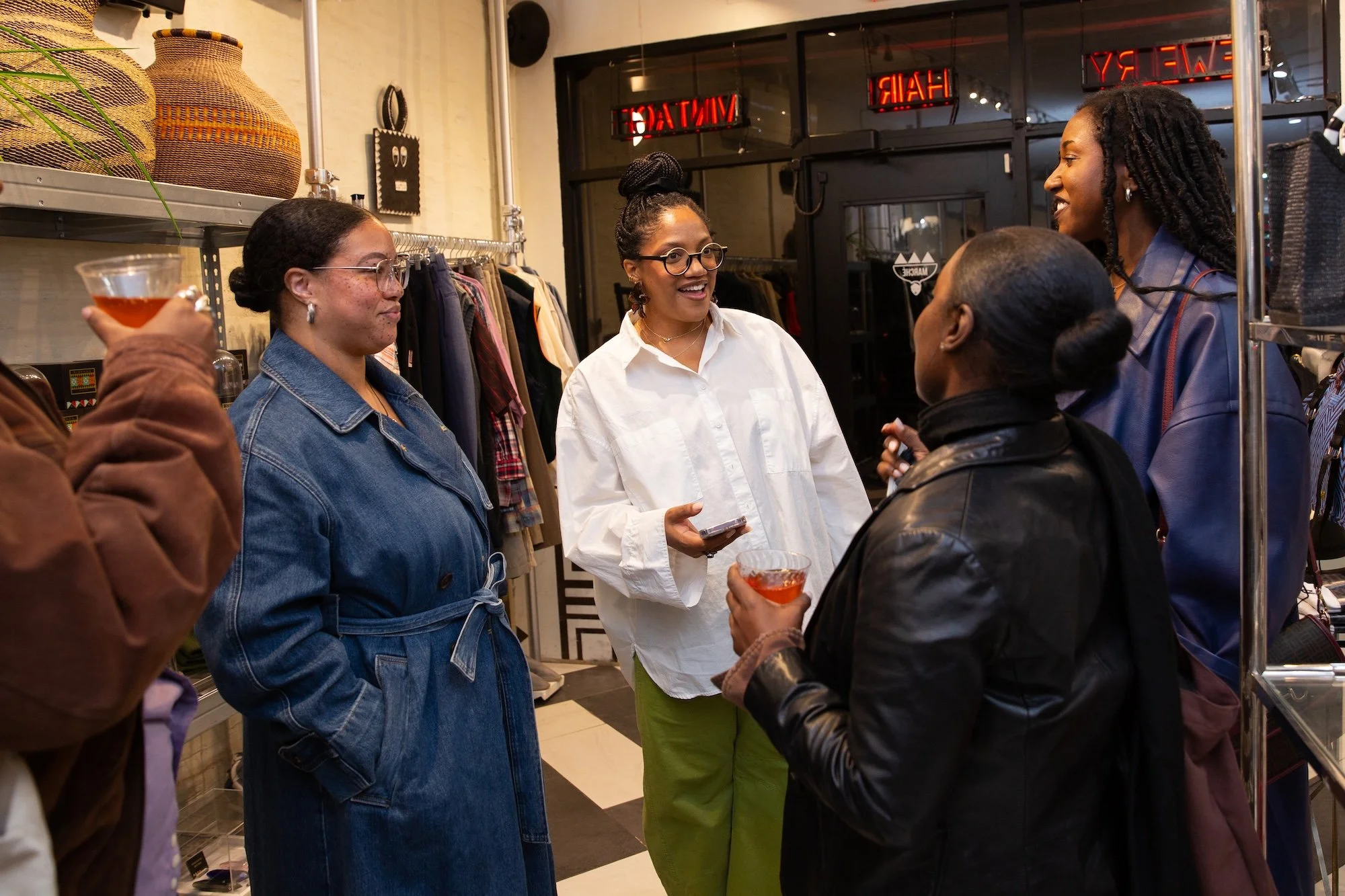
Participants were incredibly open about what living well in New York City looks like right now. They talked about the big structural issues and the everyday frustrations. Affordable childcare and elder care came up, along with the need for transparent health care costs. People also called for better accessibility across the city for those with disabilities, safer and more accessible nightlife options, more low-cost grocery stores, and protected public spaces like parks, libraries, and community gardens. These spaces were described as real community anchors where mutual aid and intergenerational learning already happen. Many participants also wanted stronger enforcement of anti-discrimination laws, more funding for the NYC Human Rights Commission, and a push toward non-carceral accountability. The need to finally close Rikers Island was named more than once.
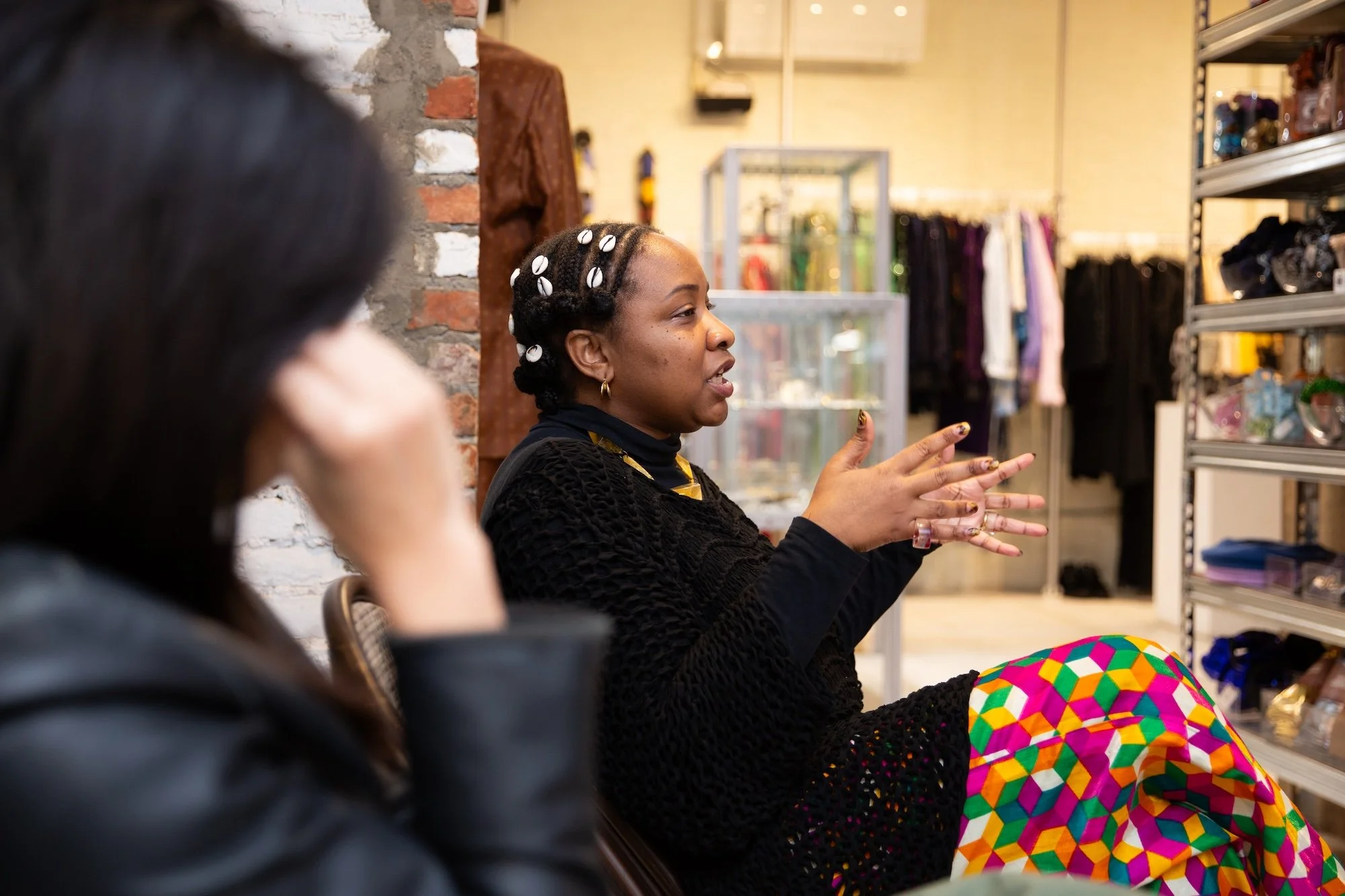
Throughout every conversation, one theme kept coming up: safety, dignity, and health are deeply connected.
And even as people named the barriers, we also asked what is working for them. Over and over, participants said the same thing. Community is everything. Intergenerational conversations, resource and skill-sharing, bartering, and leaning on hyperlocal spaces like libraries, parks, independently owned shops, and community gardens form the real foundation of care.
And because we’re Womanly and our first priority is health equity, we dove deeper into the topic. We learned that people want health information that feels trustworthy and culturally relevant, delivered earlier and in plain language, so they can make informed decisions before they reach a crisis point.
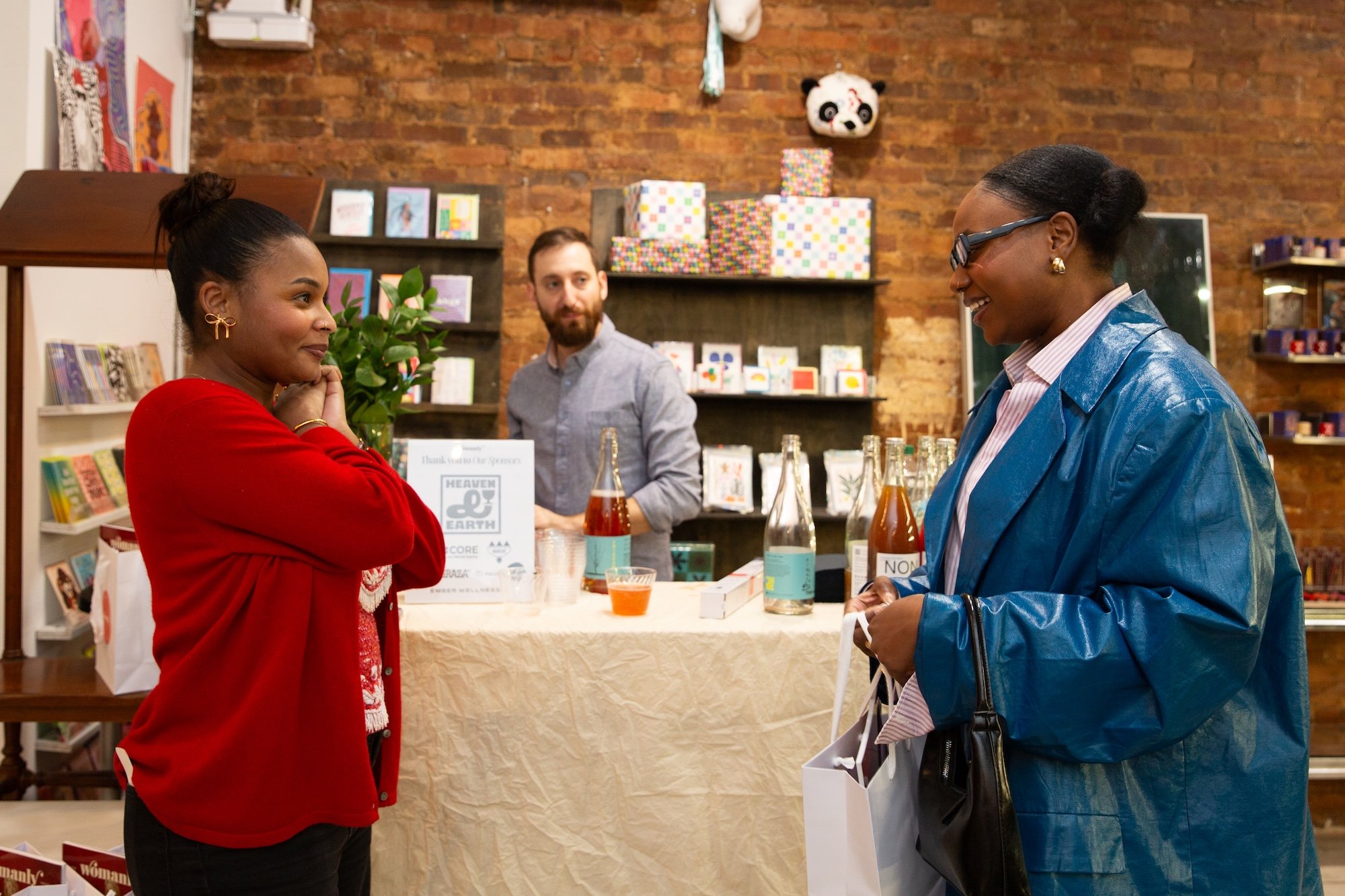
When we asked how folks are actually getting their health information, we learned that most people are piecing it together on their own. Social media, word of mouth, and trial and error within a health care system that often feels confusing or unwelcoming are playing a huge role. Influencers and community leaders are stepping into unofficial educator roles, filling gaps left by clinical settings where many topics are still rarely discussed. Participants talked about wanting more information on perimenopause and menopause, reproductive health in general, STIs and HIV prevention, PMDD. They also discussed the constant need to self-advocate because of costs, insurance challenges, stigma, misinformation, and racial bias.
And across all the events, people emphasized how vital birth workers are. Midwives and doulas provide culturally grounded, whole-cycle support, care, and advocacy. As one person said, “Midwives aren’t just for pregnancy. You can see a midwife for life.”
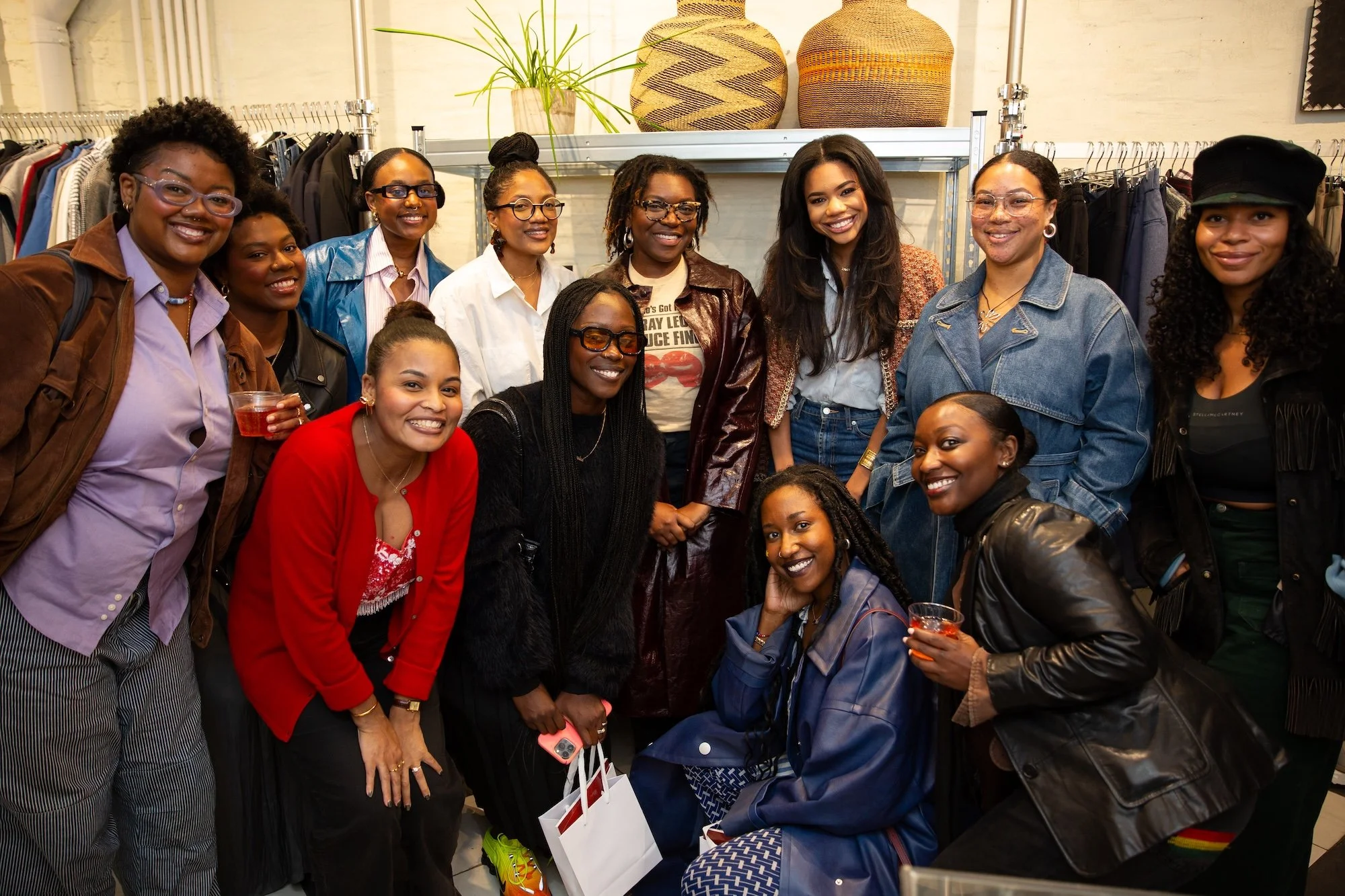
Taken together, these conversations showed what becomes possible when care is shared, accessible, and rooted in real relationships instead of profit.
Thank you to CORE for providing the opportunity to facilitate these important conversations and Marché Rue Dix for hosting. This season of listening and learning would also not have been possible without support from our sponsors at Maude, NON, Graza, Heaven & Earth, Moon Juice, and Ember Wellness.


